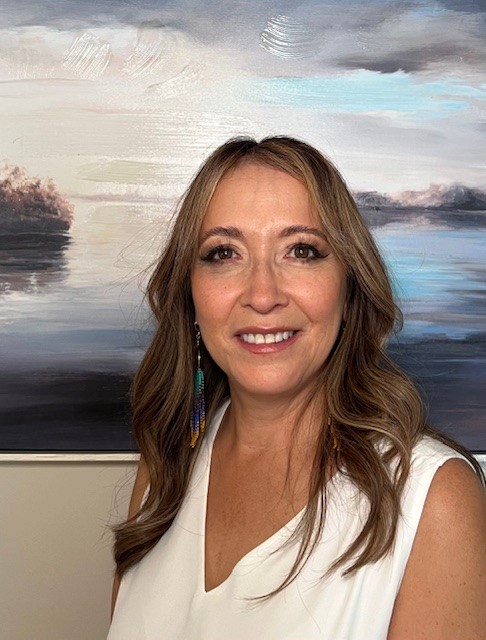
Elder Zippie Nochasak
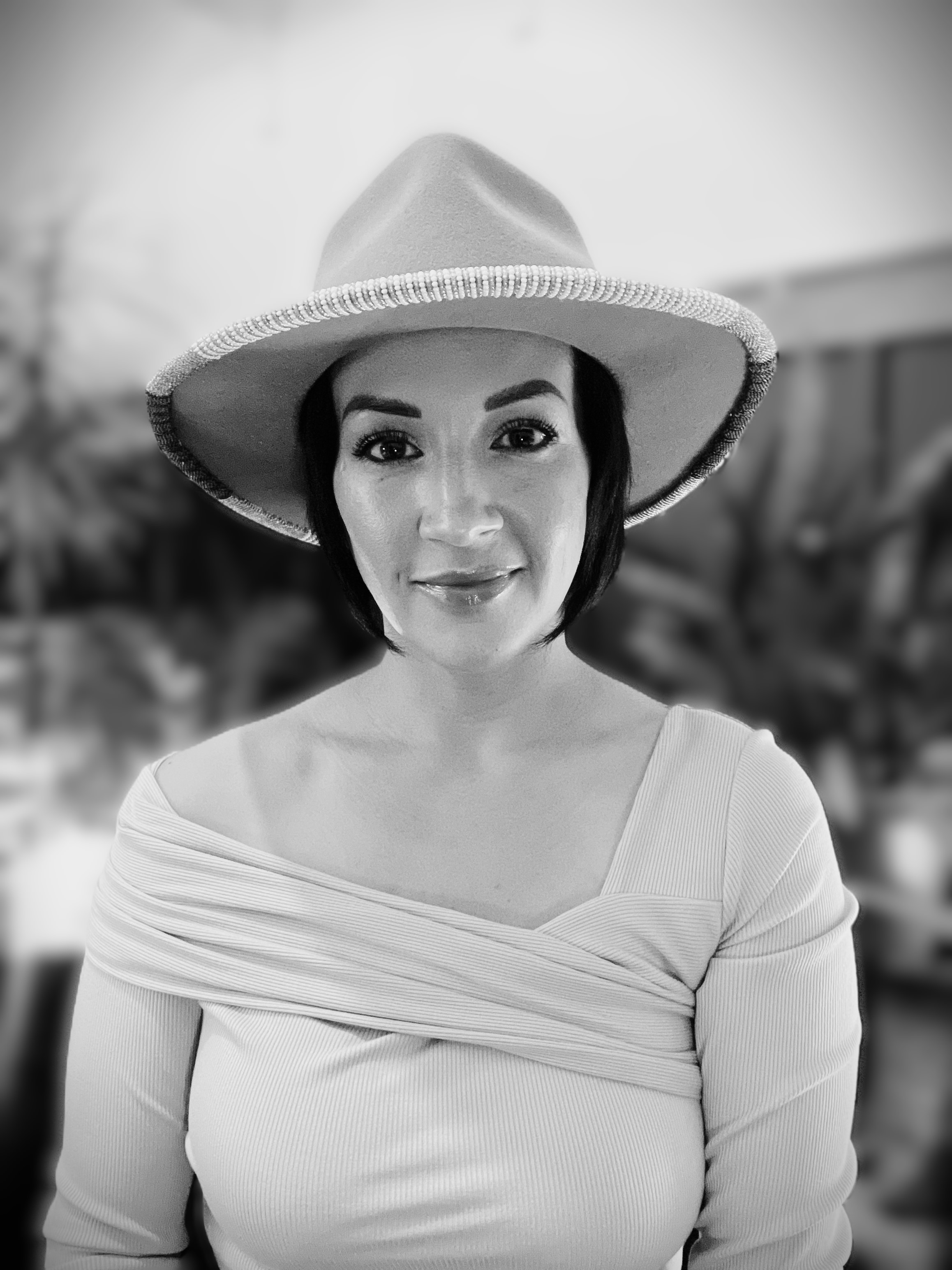
Zippie is from Nain, Labrador (Nunatsiavut.) She is a former Minister of Lands & Natural Resources and a former Minister of Status of Women for the Nunatsiavut Government. Zippie also helped create a curriculum on Inuit history for Illiniapaa Skills Development Centre in the community support program on the impacts of colonization. Zippie now lives in Ottawa and works for Tungasuvvingat Inuit as an Elders Cultural coordinator delivering programs for Inuit and Elders. She hosts Inuit Zoom Groups and Elders Virtual Tea all across Canada and the world for Inuit families to connect with each other.
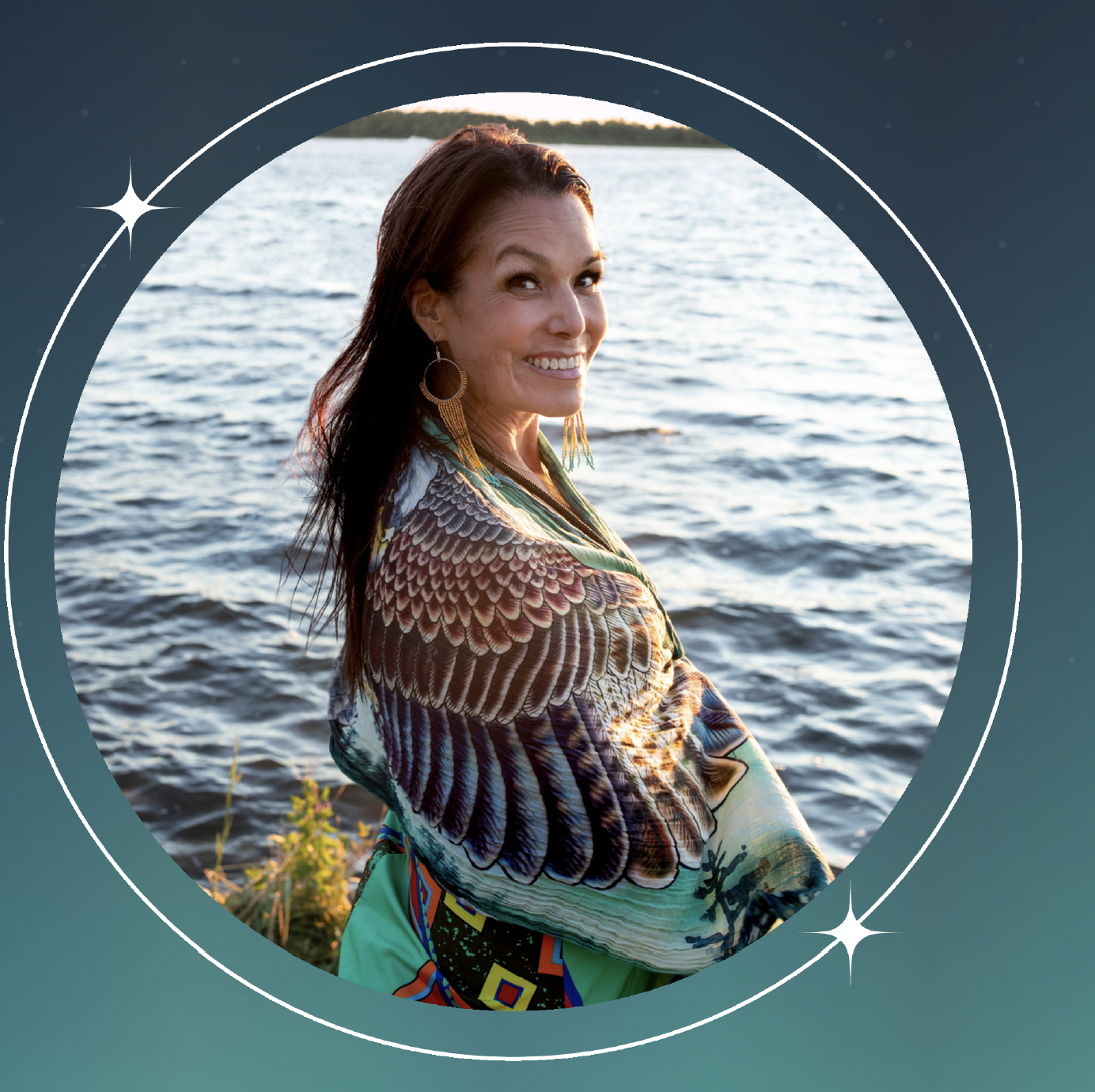
Elder Verna Mcgregor
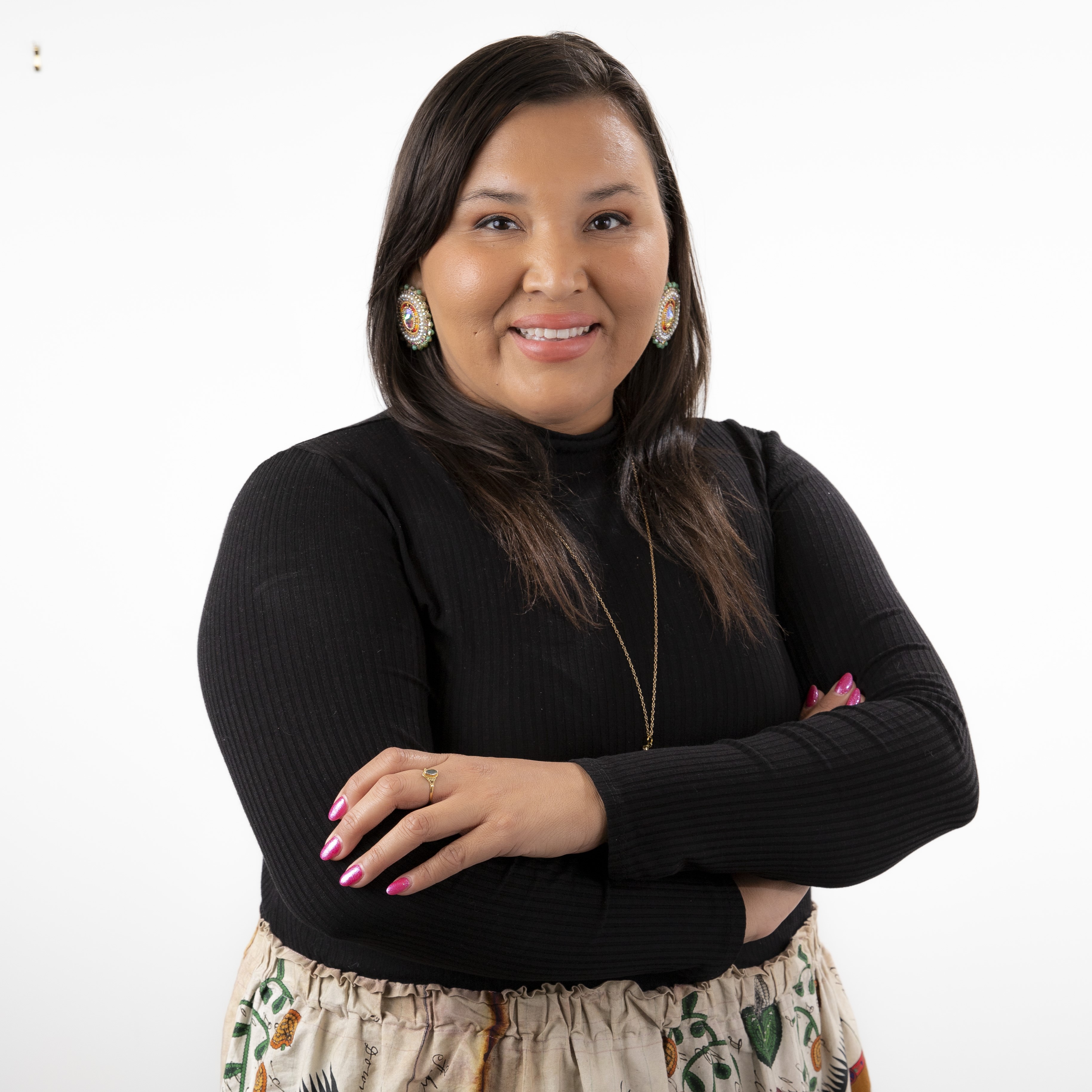
Verna McGregor resides in her community of Kitigan Zibi Anishinabeg First Nation, 140 kilometres north of Ottawa- Gatineau. She is the former National Coordinator for the National Aboriginal Circle Against Family Violence (NACAFV). During that time she and her son were impacted by the issue of MMIWG2S with the disappearance of two teenage girls who went missing in 2008 and have not been found to-date. This experience led her to working also with Minwaashin Lodge - the Indigenous Women’s Support Centre in Ottawa which has a VAW mandate. Verna recently wrote a children’s book, “Rolly’s Blue Light Bulb”, which is also translated into the Algonquin language as an endangered language resource. She brings a background also in banking and real estate which has also assisted in the empowerment of Indigenous People.
Linda Boudreau Semaganis
Linda Boudreau-Semaganis is a proud Cree Metis woman. She was born in Fort McMurray to Henry and Evelyn White, when the ‘Mac’ was just more than a village. Linda has lived across the prairie provinces, working in indigenous agencies and mentoring women and youth. She has a lifetime of employment in the human service industry and has been an activist on behalf of Missing and Murdered Women and Girls for over 20 years, as well as Stopping Violence against women, and promotes addiction free lifestyles. Linda is a historian, and highly involved in cultural conservation through her use of culture, and teachings to assist others to achieve balance in their journey. Linda is a writer and storyteller, who carries songs, ceremony, and tradition in her medicine bag of life.
Silla
Senator Dawn Anderson
Senator Anderson is a proud Inuvialuk and in her role as a Northern senator, she is committed to raising the profile of Arctic, Inuit, and Indigenous issues across Canada, to ensure equitable representation that recognizes the uniqueness and diversity of the territory, particularly when it comes to legislation.
Minister Rebecca Alty, Crown-Indigenous Relations and Northern Affairs Canada
Minister of Crown-Indigenous Relations
Represents the riding of Northwest Territories
The Honourable Rebecca Alty, Minister of Crown-Indigenous Relations, was elected as the Member of Parliament for the Northwest Territories in April 2025.
A lifelong resident of Yellowknife, Minister Alty began her career in politics as a City Councillor, serving for six years. In 2018, she became the second woman to be elected Mayor of Yellowknife, a post she served in until 2025.
Throughout her more than twelve years on the Yellowknife city council, Minister Alty was known for her open collaboration and passionate advocacy on issues such as reconciliation, housing affordability, and sustainable development.
Minister Rebecca Chartrand, Northern and Arctic Affairs
Minister of Northern and Arctic Affairs and Minister responsible for the Canadian Northern Economic Development Agency.
Member of Parliament representing the riding of Churchill—Keewatinook Aski.
Rebecca is an Anishinaabe, Inninew, and Métis leader.
She is a compassionate truth-teller, bridge-builder, and story-teller.
She is the first First Nations woman from Manitoba to be appointed to Cabinet.
Her 25-year career in K-12 and post-secondary education spanned senior leadership roles. She led the establishment of Manitoba’s first Ojibwe bilingual school.
A nationally recognized advocate for Indigenous voices and cultural revitalization, she has served on the boards of the Children’s Hospital Foundation of Manitoba, the Canadian Museum of Nature, and the Indigenous Education Advisory Council.
She is the founder of the Manitoba Aboriginal Education Awards and the Council for Indigenous Education in Manitoba (now Full Circle). She has been recognized by the Indigenous Women in Leadership Award, the Banff Leadership Award, and the Excellence in Education Award from the Canadian Race Relations Foundation.
________
Ministre des Affaires du Nord et de l’Arctique et ministre responsable de l’Agence canadienne de développement économique du Nord
La Deputée de la circonscription de Churchill—Keewatinook Aski
Rebecca est une dirigeante Anishinaabe, Inninew et Métisse.
Elle est la première femme des Premières Nations du Manitoba à avoir été nommée au Cabinet.
Au cours de ses 25 ans de carrière dans l’enseignement primaire, secondaire et postsecondaire, elle a occupé divers postes de haute direction. Elle a dirigé la création de la première école bilingue Ojibwée du Manitoba.
Reconnue à l’échelle nationale pour son engagement en faveur de la voix des Autochtones et de la revitalisation culturelle, elle a siégé aux conseils d’administration de la Fondation de l’Hôpital pour enfants du Manitoba, du Musée canadien de la nature et du Conseil consultatif sur l’éducation autochtone.
Elle est la fondatrice des Prix de l’éducation autochtone du Manitoba et du Conseil pour l’éducation autochtone du Manitoba (aujourd’hui Full Circle). Elle a été récompensée par le Prix des femmes autochtones en leadership, le Prix du leadership de Banff et le Prix d’excellence en éducation de la Fondation canadienne des relations raciales.
This panel brings together Indigenous rights advocates, human rights advocates, and international experts to examine where Canada stands ten years after the Inquiry and what the next step in advocacy should be.
Ten years after the launch of the National Inquiry into Missing and Murdered Indigenous Women and Girls (MMIWG) in Canada, progress remains unacceptable. Only two of the 231 calls to justice have been fully implemented, while more than 100 have not even been addressed. Many MMIWG2S+ specific programs are coming to an end, and the Budget 2025 does not include dedicated funding for MMIWG2S+ programs and initiatives. This reality contributes to communities facing systemic violence without the government fulfilling its responsibilities.
Marjolaine Étienne
Jennifer Moore Rattray
Jennifer Moore Rattray is a public sector leader dedicated to advancing equity, reconciliation, and transformative social impact. She is a proud citizen of Peepeekisis Cree Nation and the CEO of End Homelessness Winnipeg.
Throughout her career, Jennifer has driven transformative change across sectors – from government and education to national Indigenous initiatives. She served as Executive Director of the National Inquiry into Missing and Murdered Indigenous Women and Girls and was appointed Ministerial Special Representative to the Minister of Crown-Indigenous Relations, where she led national engagement on Call for Justice 1.7 to advance the creation of a National Indigenous and Human Rights Ombudsperson.
Previously, as an Assistant Deputy Minister with the Province of Manitoba, Jennifer challenged entrenched systems and policies to reduce inequity and improve outcomes. At the University of Winnipeg, she broke new ground as Associate Vice-President, where she championed access to post-secondary education for low-income and under-represented students.
Jennifer began her career as an award-winning journalist, working in Canada and the United States to hold governments and public institutions to account – a foundation that continues to inform her values-based leadership.
She is a recipient of the Queen Elizabeth II Diamond and Platinum Jubilee Medals in recognition of her contributions to public service.
Celeste McKay
Céleste McKay is a citizen of the Red River Métis Nation from Manitoba, with a background in social work and law, including an LL.M from the University of Ottawa, an LL.B from the University of Victoria and a B.S.W. from the University of Manitoba.
Céleste is a consultant, working on human rights, policy, philanthropy, and research, primarily for Indigenous Peoples. She has focused strongly on the human rights of Indigenous peoples, including the safety and security of Indigenous women and girls. Since 2004, Céleste has worked within the Working Group on the UN Declaration on the Rights of Indigenous Peoples, the Expert Mechanism on the Rights of Indigenous Peoples (serving as Chief Wilton Littlechild’s technical analyst) and the Permanent Forum on Indigenous Issues. She has worked nationally on the Indigenous Languages Act, the Act respecting First Nations, Inuit and Métis Children, Youth and Families, the Act respecting the United Nations Declaration on the Rights of Indigenous Peoples and international affairs.
Her greatest source of joy is her family, her son, Evan Raoul Chartrand and her partner, Dean Herkert.
Gabrielle Fayant
Gabrielle Fayant is an off-Settlement Metis woman who’s family is from Fishing Lake Métis Settlement, AB. Gabrielle is an award-winning woman for her work in her community, for her dedication to supporting young people, and for amplifying grassroots efforts. Gabrielle is passionate about cultural resurgence, revitalization and restitution for all Indigenous peoples. Gabrielle has been working in community for 10+ years to help improve the lives of Indigenous peoples and has a diploma in Indigenous Healing and Wellness Counselling. Gabrielle is a helper and co-founder of a non-profit Indigenous youth organization called Assembly of Seven Generation (A7G) and a co-manager for a social enterprise retail store called Adaawewigamig.
Join Dr. Sylvia Maracle, Albert McLeod, and Kris Pruden for a 2SLGBTQQIA+ fireside chat grounded in connection across generations. Drawing on decades of leadership, advocacy, and community knowledge, alongside emerging voices and lived experience, this conversation centres the value of sharing stories, learning from one another, and strengthening relationships that carry knowledge, culture, resilience, and change forward together.
Dr. Sylvia Maracle
Dr. Sylvia Maracle - Skonaganleh:ra, is a Wolf Clan member from Tyendinaga Mohawk Territory who has resided in Toronto for 50 years. She was Executive Director of the Ontario Federation of Indigenous Friendship Centres (42 years), Legal Aid Ontario Founding Board Member (7 years), Canadian Centre for Addictions and Mental Health Board Member (3 years), Ontario Aboriginal Housing Services Founding Chair (25 years), Ontario Healing and Wellness Strategy Found Chair (20+ years), National Association of Indigenous Friendship Centres Executive Member (4 years), Native Child and Family Services President (10 years) and Native Women’s Resource Centre President (10 years).
Dr. Maracle was honoured with Doctor of Laws from Guelph, York, Trent and Queen’s Universities. She was appointed an Officer of the Order of Canada and received a Public Service Award from Indspire. She is appointed to the National Housing Council and chairs the National Committee of 2SLGBTQQIA+ People in response to the MMIWG National Action Plan.
Dr. Maracle also works in United Nations activities, World Urban Forums, and resource exchanges as a facilitator, trainer, speaker and Indigenous knowledge transfer.
Albert McLeod
Albert McLeod is a Status Indian with ancestry from Nisichawayasihk Cree Nation and the Métis communities of Cross Lake and Norway House in northern Manitoba.
He has over thirty years of experience as a human rights activist and was one of the founders of the 2-Spirited People of Manitoba. Albert began his 2Spirit advocacy in Winnipeg in 1986 and became an HIV/AIDS activist in 1987. He was the director of the Manitoba Aboriginal AIDS Task Force from 1991 to 2001. In 2018, Albert received an Honorary Doctorate of Laws from the University of Winnipeg. He was also a member of the sub-working group that produced the MMIWG - 2SLGBTQQIA+ National Action Plan Report in 2020-2021.
In 2020, Albert joined Team Thunderhead, the team that recently won the international competition to design the 2SLGBTQI+ National Monument in Ottawa. Albert lives in Winnipeg, where he works as a consultant specializing in Indigenous peoples, 2Spirit history and identity, cultural reclamation, and cross-cultural training.
Learn more at: www.2spiritconsultants.ca
Library and Archives Canada (LAC) delivers a variety of initiatives aimed at supporting Indigenous researchers and communities nationwide. A key offering, Indigenous Reference Services, provides culturally appropriate and accessible support for individuals working with archival records. LAC has also developed specialized research tools and guides to assist Indigenous researchers in navigating complex collections and locating relevant materials, helping to foster a more inclusive and equitable research environment.
During this session, presenters from LAC’s Indigenous Reference Services team will highlight key government record collections, particularly RG10, outline the range of materials available in the archives, and provide information on Access to Information and Privacy. They will also explain how to access LAC’s services and resources.
Brook Lavalley
Melanie Bernard
This facilitated breakout session invites participants from urban Indigenous organizations to share real challenges they face. Through collective dialogue, participants will offer insights, lived experiences, and practical approaches that have worked in their own organizations. The goal is to create a space of idea-sharing and relationship-building between urban Indigenous organizations.
Jackie Anderson
This facilitated breakout session will support a parliamentary study on the impacts of gender-based violence in rural, remote and northern regions across Canada. The session will centre the lived experiences of Indigenous women, girls and 2SLGBTQQIA+ people with a focus of identifying systemic barriers to accessing essential supports such as shelters, counselling, support, and healthcare.
Participants will explore the social, economic cultural, and geographic factors that shape access to services, and will collaboratively identify practical, culturally grounded strategies and policy measures to ensure accessible, equitable and culturally appropriate supports. The discussion will directly inform a written submission to the House of Commons Standing Committee on the Status of Women (FEWO).
Diane Redsky
This session brings together Indigenous-led organizations to explore how decolonized and culturally grounded harm reduction approaches are transforming programs and services for Indigenous people. Presenters will share how Indigenous-led harm reduction extends beyond crisis response to include cultural connection, housing stability, family reunification, youth mentorship, and long-term systems change.
Julia O'Quinn
Julia O’Quinn (she/her) is the Associate Executive Director of the Aboriginal Coalition to End Homelessness Society, an Indigenous-led organization based in Victoria, BC, working to end homelessness for First Nations, Inuit, and Métis relatives living away from home across Vancouver Island. Grounded in her ancestry, with maternal ties to the Miawpukek and Qalipu First Nations and paternal settler roots, her work reflects a deep commitment to advancing Indigenous health and housing equity.
Julia’s work centres on advancing systems change to address the structural barriers that contribute to Indigenous homelessness, grounded in collaboration, advocacy, and capacity building. She represents the organization at regional, provincial, and national tables, including serving on the Circle of Advisors for the Representative for Children and Youth BC.
Julia brings a multidisciplinary background, holding a Master’s degree in Public Health from the University of Victoria and a Bachelor of Arts in Law & Policy from Carleton University. Prior to her current role, she worked with non-profit organizations focused on food security and improving access to education in northern and remote First Nations communities.
Jackie Anderson
Jackie is a strong Metis Matriarch with ancestry from St. Madeline, MB. She is a mother to three beautiful daughters who are also Treaty First Nation from Berens River FN. Jackie currently resides in Winnipeg, Manitoba where she is the Executive Director of Kani Kanichihk inc. A non-profit indigenous lead Capacity Building and Learning organization providing resources to our relatives in many capacities.
Jackie has many years of experience working in social services with grassroots organizations. Areas of wisdom she carries with great honor provided to her through the trust and relationships of our relatives with lived experience include: National and International Expert presenter on Human Trafficking and Sexual Exploitation, Harm Reduction, Practicing and Teaching our Indigenous Ways of Knowing and Being through a traditional value based model for successful healing, Family Group Conferencing, developing Indigenous value based children in care programs for our young relatives, developed an Indigenous Healing Lodge for families in rural Manitoba on the waters of Lake Manitoba.
Nikki Komaksiutiksak
Nikki Komaksiutiksak is an Inuk woman from Chesterfield Inlet, Nunavut. Nikki is the founding member and chief executive officer to Tunngasugit Inc, Western Canada’s first Inuit Resource Centre located in Winnipeg, Manitoba. Though Winnipeg is now her home, Nikki has found the strength to preserve her “Inukness” living in the southern part of Canada. Nikki is an active member with the Inuit community in Winnipeg and uses her knowledge and understanding of the south to assist other Inuit moving to the big city.
Nikki is an inspiration to the young and old everywhere, and truly demonstrates a passion for her cultural identity. Nikki is an experienced throat singer, teacher of Inuit history and culture, and a heartfelt musical performer. Nikki has also been selected by Pauktuutit Inuit Women of Canada as the 2023 Inuk Woman of the Year. Nikki has participated in several international events, representing Manitoba and Inuit at such prestigious venues as the 2015 Indigenous Music Awards in Winnipeg. She has recorded music with local Canadian talent over the past 28 years. Nikki has been featured in many events around the world, always sharing her identity and teaching about her Canadian Inuit Culture. Nikki has taught at the University of Manitoba instructing Inuit Culture & Societies, and various schools throughout Manitoba to teach and showcase Inuit culture to both students and staff.
The Inuit of Canada are an integral part of Canadian history and culture, but sadly are often excluded, overlooked, and forgotten. As a mother and survivor of various intergenerational trauma and a family member affected by her sister’s murder at the mere age of 17 while in the care of Child and Family Services, Nikki believes it is important to learn, educate and understand Inuit culture, history, and language. Nikki truly believes that it is critical that Inuit culture is remembered, recognized, and celebrated throughout all of Canada.
Kara Louttit
Kara Louttit (they/them) is a Two Spirit Omushkego-Eeyou Cree from James Bay with experience working for Indigenous organizations across the areas of Indigenous governance, service delivery, and the arts. Currently, Kara is the Acting Policy & Research Manager with the National Association of Friendship Centres, where they continue their work advancing Indigenous justice and the rights and safety of Indigenous communities.
Human trafficking remains a critical human rights and safety issue across Canada. Currently, only Ontario and Manitoba have implemented comprehensive provincial human trafficking strategies. This panel will bring together representatives from Ontario and Manitoba to share firsthand insights from the development and implementation of their provincial strategies. Speakers will highlight key lessons learned, including what has been effective and navigating policy and funding challenges. The discussion will demonstrate how leaders in Ontario and Manitoba successfully advanced these strategies within their regions, and how attendees can apply similar approaches to influence policy development in their own provinces and territories.
Gord Mackintosh
Gord Mackintosh earned degrees in political studies and law from the University of Manitoba and served with the Canadian and Manitoba Human Rights Commissions and as Deputy Clerk of Manitoba’s Legislature. As a lawyer, he was notably counsel to Elijah Harper for Canada’s Meech Lake Constitutional Crisis.
Gord then served twenty-three years as a Member of the Manitoba Legislature, including as a Minister in the governments of Premiers Gary Doer and Greg Selinger. His responsibilities included Minister of Justice and Attorney General, Family Services and Housing Minister, and Minister of Conservation and Water Stewardship. In 2016 he declined to seek re-election.
As a Minister, Gord forged strong partnerships to drive nation-leading initiatives to end violence against women and children. This includes “Tracia’s Trust - Manitoba’s Sexual Exploitation Strategy” comprising a $10 million, multi-pronged effort to, among its objectives, reduce the risk of murdered and missing Indigenous women and girls - a Canadian first.
For six years, Gord then taught political science at the University of Winnipeg in the areas of Canadian law, politics, and Indigenous justice. Gord received the University of Manitoba’s Faculty of Arts 2017 Celebrated Alumni Award. He released a best-selling, light-hearted memoir, Stories Best Left Untold, and is a freelance monthly travel columnist with the Winnipeg Free Press. He also serves as a Senior Advisor with Counsel Public Affairs helping organizations bring good ideas to government.
Taunya Paquette
Taunya is an experienced and passionate executive leader and Anishinaabe-Kwe, who has successfully led multi-disciplinary teams to advance and implement government policy, programs and services since 2015.
Prior to 2015, she held executive roles for over 20 years in child welfare and reform, social programs, and education and was part-time faculty at community colleges.
As an executive leader in the Ontario Public Service, she has championed inclusive transformation across the Ministry of Colleges and Universities, Ministry of Education, and Treasury Board Secretariat.
Since May 2025, she has been serving as Assistant Deputy Minister of the Gender Equity Division, Ministry of Children, Community and Social Services.
Nadine
Nadine created "Kookum Moon" as a way to share her story from disconnection to reclamation. Nadine offers the lessons she has learned along her personal journey through various forms such as quilting, one-of-a-kind jewelry, graphic art, customized workshops, heart-centered sacred medicine card readings, quantum healing hypnosis, and guided meditations. Through her offerings, Nadine looks at modern practices through an Indigenous lens, with a focus on the power of turning inward to reconnect with the community and medicine that lives quietly within each of us.
In this workshop, participants will create a beaded red dress pin to honour Missing and Murdered Indigenous Women, Girls, and Two-Spirit people (MMIWG2S+).
Amanda Fox
Amanda Fox is Ojibwe and a proud member of Wiikwemkoong Unceded Territory, currently residing in Ottawa, Ontario. With over 30 years of cultural practice, she is a beadwork artist, dancer, and educator dedicated to preserving and sharing Indigenous knowledge through creative expression. Amanda’s beadwork is rooted in storytelling, honouring tradition while creating space for reflection, healing, and connection. Through workshops and community engagement across Canada, she uplifts Indigenous voices and fosters cultural understanding through hands-on learning.
This hands-on workshop invites participants to create a red dress pin while learning about the ongoing crisis of Missing and Murdered Indigenous Peoples. Through guided discussion and storytelling, the workshop fosters awareness, reflection, and connection in a meaningful and accessible way.
Vanessa Brousseau
Vanessa Brousseau is an Inuk artist, advocate, and founder of Resilient Inuk Creations. Through her lived experience and creative work, she raises awareness about Missing and Murdered Indigenous Peoples while creating space for education, healing, and meaningful conversation.
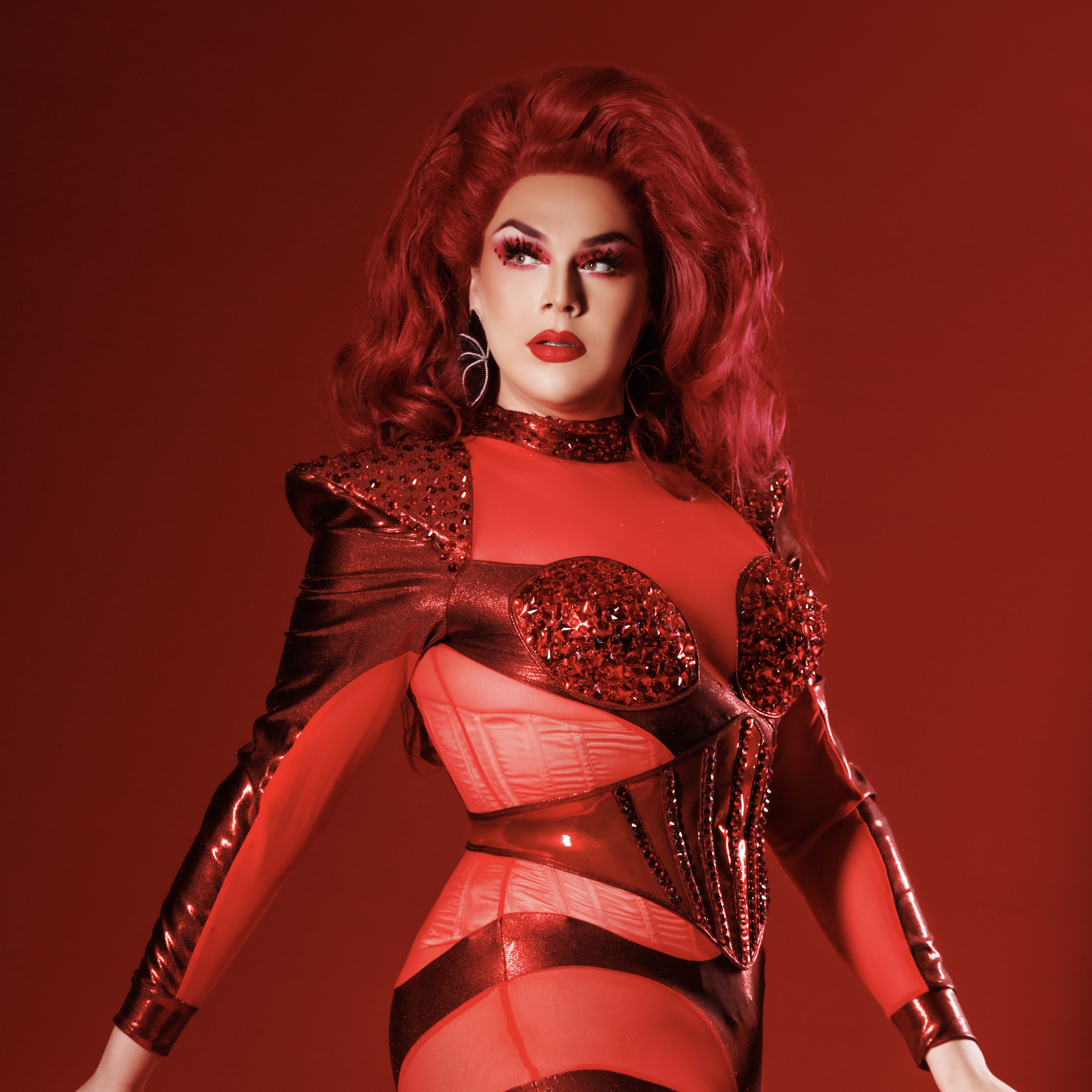
Chelazon Leroux is Layten Byhette's stage name. Chelazon (she/he/they) is a Two-Spirit Dene First Nations Multidisciplinary Artist. Chelazon's artistic pursuits include: Drag, stand-up comedy, and social media content creation. Chelazon uses her Indigenous identity as a status member of Buffalo River Dene Nation (Treaty 10) and family ties to Fond Du Lac First Nation (Treaty 8), as the foundation for her creative works. Chelazon is best known for her Auntie persona and Tiktok posts. Chelazon uses her social media influence to educate and entertain audiences worldwide. @chelazonleroux
Their goal is to utilize their responsibilities as a Two—Spirit multimedia artist to bring Two-Spirit's historical role into the modern world. To educate and entertain audiences worldwide on the experiences, stories, and beauty of Indigenous identity.
Urban Indigenous organizations are increasingly being asked (or forced to!) to diversify their funding beyond government sources, however, they are often constrained by limited staff capacity, time and access to philanthropic networks. At the same time, many foundations may have limited understanding of Indigenous realities and histories which creates additional barriers related to cultural safety, trust and power imbalances.
This panel will explore what it takes to build meaningful, sustainable relationships with philanthropy that support and not burden urban Indigenous organizations. It will also highlight success stories with the Winnipeg Foundation.
Megan Tate
Sharon Redsky
Sharon Redsky is resident of Winnipeg and First Nation member of Shoal Lake #40 with mixed heritage. She is the principle of Redsky Fundraising and has extensive experience working with Indigenous-led organizations. She draws on her experience in the areas of fundraising, proposal development, networking with key stakeholders and building partnerships across diverse communities.
Mentee Survey
Asha Frost is an Indigenous Medicine Woman, and the international bestselling author of You are the Medicine, The Sacred Medicine Oracle, and The Animal Elders Oracle. She has guided thousands of people through profound and lasting transformation as a healer, homeopath and ceremonial guide and has become a prominent speaker in the field of Indigenous healing, garnering recognition on both local and international platforms.
Asha holds membership at Chippewas of Nawash First Nation and is a mama of two boys with whom she walks gently upon the earth.
Asha Frost
Diane Redsky
Performer

.jpg)