1808 Wellington Ave,
WINNIPEG, MB R3H 0G3, Canada
September 15, 2026 - September 17, 2026
09:00AM - 04:00PM CDT
Only those who have consented to having their information shared will be listed here. To consent and have your information added, go to your ticket, click View/Edit and enable the share consent statement at the bottom of your ticket.


| Description: | Community Models of Treatment and Care This presentation highlights harm-reduction-focused services within CWP including Opioid Agonist Therapy supports, detox related pathways, and aftercare, emphasizing community ;ed-delivry, relationship based care, and alignment with equality and family wellbeing. By centering cultural values and lived experience, this approach positions harm reduction as a practical and respectful pathway to healing, wellness, and long term prevention. |
|||||
|---|---|---|---|---|---|---|
|
|
||||||
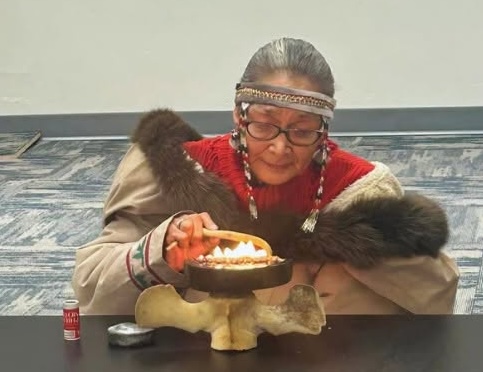
| Description: | The Kookums of the Minopimatisiwin Sexual Wellness Lodge have decades of shared knowledge and expertise working with their communities. Together they lead the Lodge in its work. They bring thoughtfulness, caring, strength, and joy as the anchors of the Lodge. They love to laugh and talk about sex and drugs with all the relatives who come through our doors. |
||||||
|---|---|---|---|---|---|---|---|
|
|
|||||||
| Description: | In this presentation we will discuss who we are, work we do, why it is effective |
||
|---|---|---|---|
|
|
|||
| Description: | The 2025 wildfire season in Manitoba displaced thousands of First Nations community members, compounding the impacts of colonization and intergenerational trauma. Evacuees relocated to urban settings experienced significant distress, with some using alcohol to cope, increasing risks of acute withdrawal, non-beverage alcohol use, and survival drinking practices. |
|||
|---|---|---|---|---|
|
|
||||
| Description: | Empowering Indigenous Harm Reduction |
|||||
|---|---|---|---|---|---|---|
|
|
||||||
| Description: | Peer knowledge and connection is integral to any project that is created for people who use drugs - through storytelling and informal chats, the Aboriginal Health and Wellness Centre Peer Team (SALUTE) will present about their experiences in working collaboratively to creating unique, welcoming, and loving spaces for people who use substances. |
|
|---|---|---|
|
|
||
| Description: | For decades, the Mental Health Act has disproportionately affected First Nations and people who use substances. Chris Trimble and Ken MacKenzie will review the Mental Health Act, the Amendment to it that comes into effect on October 1st, and points in the legislative process where people can advocate. Together, we will discuss the impacts of the Mental Health Act, and its amendments have on First Nations and others who struggle with mental wellness challenges and who use substances. Also discussed will be, what improvements we as a Harm Reduction community recommend, and how we can advocate for real and meaningful change. |
||
|---|---|---|---|
|
|
|||
| Description: | 3 years of why is this so hard - untangling HEP-C care in MB
Navigating the Valley: Stories of Connection, Care, and Innovation in Swan River This presentation moves beyond the data to share the human stories behind our most impactful initiatives. We will walk through the journey of the Health Navigator project, share the excitement of bringing innovative testing technologies to the community, and key engagement activities. Most importantly, we will talk about how all initiatives are rooted in relationships and the principles of harm reduction. Through the lens of peer engagement and rural resilience, this session highlights how a small-town network can leverage partnerships and community to create deeply local solutions and increase the uptake of HCV and HIV treatment. |
||
|---|---|---|---|
|
|
|||
| Description: | Pitaw Mino Muskiki (Brings Good Medicine) Indigenous Handmade Markets is a collective of Indigenous women artists, makers, and community advocates. Founded in 2022, Pitaw Mino Muskiki hosts seasonal Indigenous Handmade Markets rooted in community, reciprocity, and cultural integrity. Our markets are dedicated to showcasing 100% handmade Indigenous products, honouring the spirit of making and creating while providing accessible, barrier-free platforms for Indigenous entrepreneurs. |
|---|
| Description: | We Know what we need to do: Supporting Indigenous HIV/STBBI Doulas to do their work Hearing stories from people with lived experience of HIV/STBBI is consistently identified as a transformational and healing experience, reinforcing the importance of storytelling within kinship networks. Community connections foster a sense of solidarity, helping to reduce stigma and isolation often associated with an HIV/STBBI diagnosis. Kinship connections shape peoples’ experiences of prevention, sexual health management, reproductive health, pregnancy, childbirth, and service navigation. The presence of doulas, who offer culturally safe, non-judgmental support, further strengthens these connections while also offering a culturally grounded, professional challenge to inherent inequities in HIV/STBBI care for Indigenous women and 2S. Presentation Takeaways: Meaningful, authentic, and consistent relationships with community, culture, and land are essential in the care of Indigenous women and Two- Spirit people living with or at risk of HIV/STBBI. By embedding cultural practices and relational care into their work, Indigenous HIV/STBBI doulas play a critical role in fostering resilience and reinforcing spiritual and cultural connections while providing valuable and lifesaving information, education and support. If Indigenous folks are not accessing critical services and supports, those spaces are not culturally safe. This presentation will offer insights into how organizations, non-profits and health care spaces can be a good relative to Indigenous people living with HIV by being accountable to make meaningful and significant steps to support Indigenous knowledges, technologies and expertise in our shared community spaces on Treaty 1 Territory.
|
|||
|---|---|---|---|---|
|
|
||||
| Description: | The greatest harm for people who use substances often comes not from the drug itself, but from fear, stigma, and misunderstanding. Fear, stigma, and moral judgment cause injuries, isolation, and unsafe policies long before a substance ever does. Harm reduction isn’t only about supplies or services — it’s also about transforming the environments that people who use substances must survive in. One of the most powerful ways to do that is through public education grounded in science and empathy. When communities don’t understand how drugs work in the body or why people use them, fear fills the gaps. That fear becomes stigma, discrimination, unsafe policies, and harmful interactions across health, social, and justice systems. Misinformation itself becomes a form of harm. This session reframes accessible drug science and empathy-based education as harm reduction in its own right. By helping the public understand the biology of substances, the impact of trauma, and the realities of the nervous system, we reduce moral judgment and create safer, more compassionate conditions long before anyone accesses a service. Drawing on insights from Beyond the Stigma: Science, Drugs & Empathy, this session demonstrates how shifting what people believe — and how they see others — can prevent social and structural harms that are just as dangerous as the drugs themselves.
|
|
|---|---|---|
|
|
||
| Description: | Manitoba has the highest rate of HIV in Canada and Indigenous, Black, African and Caribbean communities are overrepresented among those newly diagnosed. These outcomes are driven by structural racism and colonialism. This study explored how key institutional structures affect HIV/STBBI outcomes for Indigenous, Black, African, and Caribbean communities in Manitoba. Through knowledge gained by shared experiences and with the support of a community guiding circle, we are collaboratively developing interventions that transform policies and procedures to effectively address these inequities. |
|||||
|---|---|---|---|---|---|---|
|
|
||||||
| Description: | 1) Be f*cking kind 2) Ceremony as Harm Reduction Harm reduction ceremonial teachings are always in effect, with the intent to provide access to ceremony for anyone who might be seeking it. The HOCS cultural team, situated within the larger healthcare system, works to foster relationships with community-based organizations to center the good work already being done. While recognizing our impact among the larger existing gap is a small one, we are passionate about striving to make health services more accessible and safer in a good way. Offering culturally based programming and access to ceremony we strive to create more welcoming spaces within healthcare and provide opportunities for connection, relationality, and spirituality to grow. Join us for story sharing and laughter as we highlight how the lodge came to be, what to expect on Medicine Mondays, and discussions of how access to ceremony and culture is a harm reduction practice in itself. |
||||
|---|---|---|---|---|---|
|
|
|||||
| Description: | Despite expansion of harm reduction services across Canada, rural communities face persistent service gaps that worsen health inequities among people who use drugs. In this presentation, we will present on a mail-out service model developed by the Safe Works Access Program (SWAP) in Newfoundland and Labrador, that has succeeded in expanding harm reduction service delivery across a large geographical area in the province, and that can offer critical insights for the development of rural harm reduction service delivery across Canada. Based in St. John's, SWAP provides comprehensive harm reduction supplies including injection kits, smoking kits, drug-testing strips, and naloxone. While their services resemble harm reduction services provided in many urban communities across Canada, they have also pioneered a mail-out system of service delivery to reach people who use drugs in geographically isolated rural communities. This adaptation addresses multiple rural-specific barriers including stigma, criminalization, surveillance, transportation limitations, and inadequate healthcare infrastructure in rural communities. In this presentation, we will present the SWAP mail-out service delivery model, including data from a mixed-methods study that maps harm reduction equipment distribution across rural and remote regions of the province. Additionally, we will present data from qualitative interviews with rural service users and service providers across Newfoundland and Labrador to examine implementation strengths, operational challenges, and client experiences to identify transferable learnings for other underserved rural regions. This presentation will be useful for policy makers and service providers interested in learning about models for effective delivery of rural harm reduction services, and inform policy development and service optimization beyond urban-centric approaches. Exploring SWAP's mail-out model's successes and limitations provides evidence that can be used to scale up the delivery of community-centered harm reduction services across rural communities and provides a model for service delivery in geographically isolated communities that may be poorly served by existing harm reduction service models.
|
||||
|---|---|---|---|---|---|
|
|
|||||
| Description: | Grief Bundles: Vanessa Anakwudwabisayquay Cook + Chris Trimble Chris Trimble will share how he has shared these bundles with communities that need them in harm reduction context when working with people living with HIV." |
||
|---|---|---|---|
|
|
|||
| Description: | Across the country we are seeing jurisdictions where support for supervised consumption sites is being withdrawn, and longer detention periods for intoxication and forced treatment are being contemplated or implemented. In this presentation we'll review the evidence about the effectiveness of these approaches, explore ethical frameworks that might guide thinking or decision-making about these approaches, and the potential human rights impacts. |
||
|---|---|---|---|
|
|
|||
| Description: | Imagining Safety in Selkirk, Winnipeg, and Northern Manitoba: our creation of three harm reduction videos From 2019-2026, Moving Target Theatre and Manitoba Harm Reduction Network partnered on a series of theatre workshops and short videos expressing the perspectives of peers and health care providers who promote harm reduction. In this session, we will play some of the videos, and the theatre director, film-maker and several of the peer participants will discuss our process. Heather Witherden is an award-winning storyteller who has shared her personal monologue about using Naloxone to audiences in Western Canada, as part of the show, 'Moms Moms Moms'. It's a story of healing and love made possible by harm reduction. |
||||||
|---|---|---|---|---|---|---|---|
|
|
|||||||
| Description: |
This session explores community supported opioid access and managed alcohol programs as harm reduction approaches that provide safer, regulated alternatives for people at risk from the toxic drug supply and unstable substance use. It includes discussion of how both the MAP and CSOA Program offer less harmful options of care for those who have long term use with substances and a history of unsuccessful abstinence-based methods. These 2 programs highlight the importance of wrap-around supports such as housing, primary care, mental health services, and social support, and how these services work together to improve safety, stability, and quality of life. |
|||||
|---|---|---|---|---|---|---|
|
|
||||||
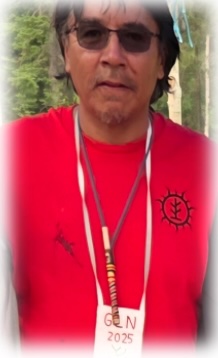
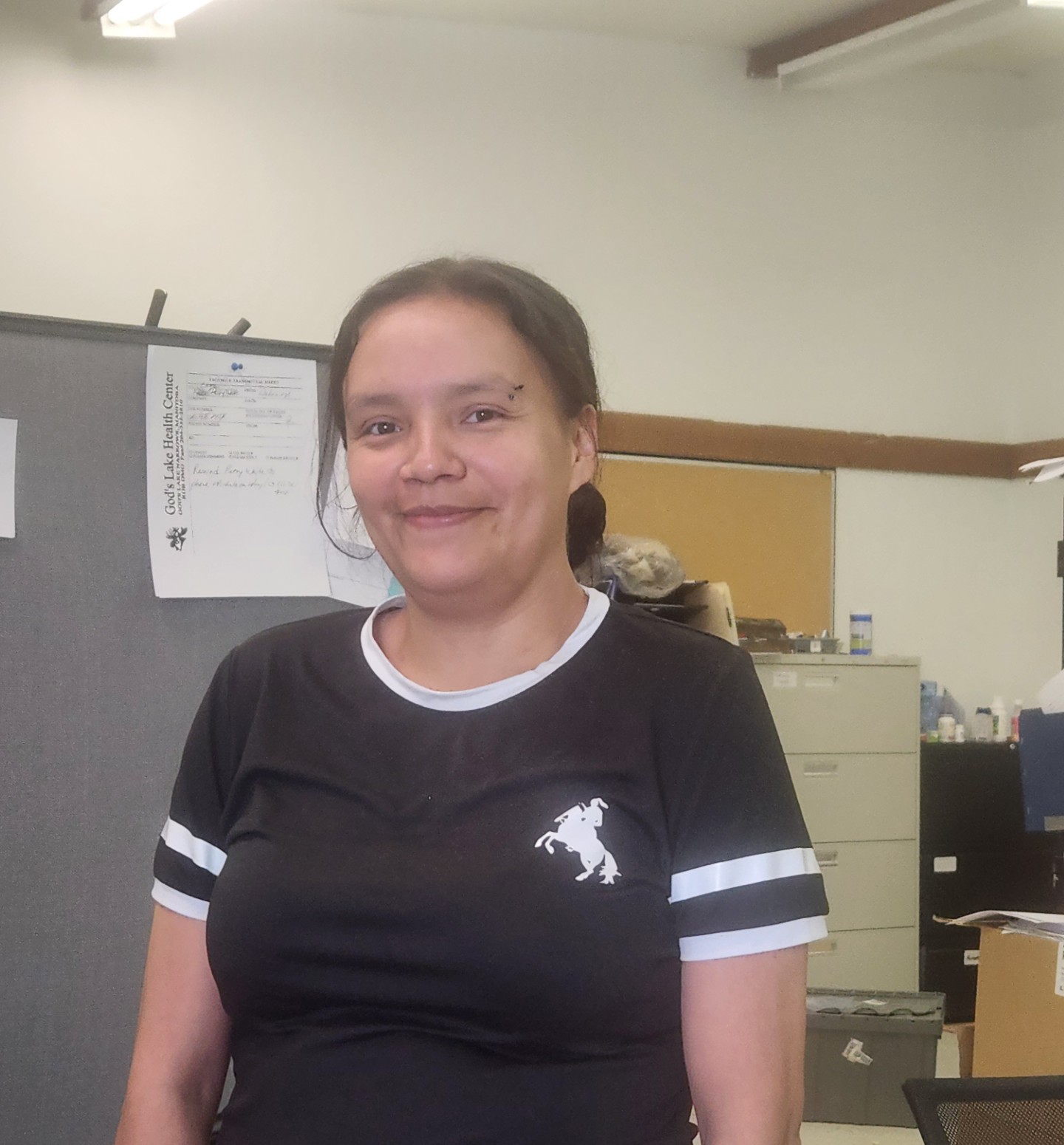
| Description: | In response to a Community declared Suicide State of Emergency in August 2019 and a Crystal Methamphetamine State of Emergency in September of 2022 Manto Sagihekan (Gods Lake) First Nation the Buskeh Banoon(Breaking the Chains of Substance Use Disorders) Stabilization Center was opened as a solution to support healing and wellness for community members who struggle with substance use disorders and suicidal ideation and behavior in April of 2024. Since it's opening over 200 community members have participated in this 30 day long detoxification program that blends both Inniniwuk (Cree) and Western based practices to support healing and self determination in this community. Buskeh Banoon (breaking the chains of substance use disorders) employs love, kindness, acceptance and harm reduction approaches to support community members beginning their healing journeys. By focusing on the physical, emotional, mental and spiritual wellness of community members and their families the Center has achieved a 55% participant program completion rate with many going on to longer term substance use treatment or remaining in the community acquiring employment, training and family reunification. |
|||
|---|---|---|---|---|
|
|
||||
| Description: | Drug checking is an integral part of the harm reduction continuum and is a practical response to address rising drug poisoning and overdose in our communities. Community members can anonymously bring samples of illicit drugs to learn more about their contents. This knowledge can help support service users in making informed decisions about how they will consume their substances to increase safety. This panel provides an opportunity to present many aspects and perspectives of drug checking services. This panel brings together a diverse group of drug checking leaders who will share their experiences in developing and delivering drug checking services. Topics covered will include obtaining Health Canada approval, training, data management, service delivery, and community engagement. They will highlight lessons learned, gaps, and opportunities across different settings. The discussion will explore how collaboration can help build a cohesive drug checking system in Manitoba and enhance safety for people who use drugs. |
|||
|---|---|---|---|---|
|
|
||||
| Description: | Session Description: The Zoongidewin Project: Destigmatizing HIV in Indigenous Communities is a short documentary produced by CBC journalist Lenard Monkman. It is the result of a one year Indigenous Health Fellowship and profiles three First Nations people from the prairies who share their experience of living with HIV. The goal of the project was to highlight the resilience of our relatives living with HIV, and open up the conversation in our communities, especially as Manitoba declared a public health emergency for HIV. |
||
|---|---|---|---|
|
|
|||
| Description: | Lifegivers Are Sacred: Decolonial & Feminist perspectives for Fetal Alcohol Spectrum Disorder Through an inquiry into overlooked knowledge systems, the session re-imagines FASD not as an individual deficit, but as an issue shaped by historical and ongoing colonial structures. Participants will be invited to explore how decolonizing perspectives can transform approaches to prevention, support, and community care. The presentation concludes by opening space for dialogue, reflection, and collective imagining of more just and compassionate pathways forward. Acknowledging the Real World: Sex, Alcohol, and Harm Reduction in FASD Fetal Alcohol Spectrum Disorder (FASD) is too often approached through clinical approaches that do not look at individuals with FASD beyond their diagnosis. These types of approaches undermine prevention, discourage disclosure, and reinforce shame and stigma. This workshop reframes FASD work through a harm reduction lens, centering dignity, autonomy, and the real-world contexts in which people live. This workshop will explore the frequently overlooked overlap between alcohol use and sex, and the need to re-frame FASD prevention. By naming these intersections without judgment, practitioners can have more honest, safety-focused conversations that support people rather than shame them. This workshop will also examine why engaging individuals with living expertise is essential; not as an add-on, but as a foundation for ethical, effective FASD practice. Their leadership challenges stigma-based narratives and helps build support systems grounded in trust, cultural humility, and realistic prevention strategies. This session offers practical tools and discussion to help practitioners integrate harm reduction into FASD prevention, assessment, and support while promoting care that is strengths-based, relational, and trauma-informed.
|
||
|---|---|---|---|
| Sponsor: | |||
|
|
|||
| Description: | In 2025, researchers from Brandon University partnered with representatives from the Manitoba Harm Reduction Network to learn about the lived experiences of people who use substances and their experiences with housing.. The study, which was funded by the Manitoba Research Alliance through a SSHRC Partnership grant, included 10 focus groups with members of each local Peer Advisory Council (and whoever else showed up)! The focus groups were conducted at MHRN peer sites across Manitoba and focused on rural and northern housing needs. Through focus groups with peers and peer-led initiatives, the research intends to highlight the voices of those experiencing housing challenges, and to inspire change through the lens of experiential knowledge exchange. While the research represents a snapshot of engagement, we know the voices shared are those of many years of experience and deep partnerships with MHRN. Through those voices we are planning to mobilize change, by highlighting commonalities across rural and northern communities, recognizing unique opportunities and challenges, and providing a common thread of discourse and awareness of housing needs in Manitoba. In this interactive presentation, we will share our preliminary findings and engage with session participants to explore their own housing knowledge and ideas around housing mobilization in rural and northern places.
|
||||
|---|---|---|---|---|---|
|
|
|||||
| Description: | Teen Talk is a Youth Health Education Program that provides services for youth across Manitoba from a harm reduction, prevention education perspective. Our Health Educators develop and deliver engaging and interactive workshops for youth in schools, youth-serving agencies, and communities, including a very popular Substance Use Awareness workshop for youth ages 12+. In this session, participants will learn practical strategies and evidence-based approaches for sharing substance use and safety information with young people. Participants will also discuss the Manitoba Education learning outcomes that relate to substance use, and apply a harm reduction framework to the delivery of the material. This session will include activity demonstrations and facilitation skills for working effectively with youth. |
||
|---|---|---|---|
|
|
|||
| Description: | Discover sâkihitowin, the ancient Cree law of love, compassion, and collective responsibility that forms the foundation for harm reduction efforts by CAAN Communities, Alliances & Networks. This powerful Indigenous wisdom shows us that harm reduction isn't new, but a continuous practice of protecting and uplifting everyone, ensuring dignity and survival. It's about building a future of Indigenous sovereignty and wellness through unwavering care and partnership. Join us as this vital knowledge is presented by our very own Margaret Kîsikâw Pîyesîs! |
||
|---|---|---|---|
|
|
|||












.jpg)






 Manitoba Liquor and Lotteries