Welcome to CCMEC.
CCMEC is a meeting place for all stakeholders in the mineral exploration and mining industry in central Canada including investment firms, exploration and mining companies, Indigenous groups, Government officials, prospectors, ESG organizations, suppliers, and academic institutions.
Our 2024 event is being at the Victoria Inn Hotel & Convention Centre, November 4 & 5, 2024
Sponsored By: CalmAir/Custom Heli
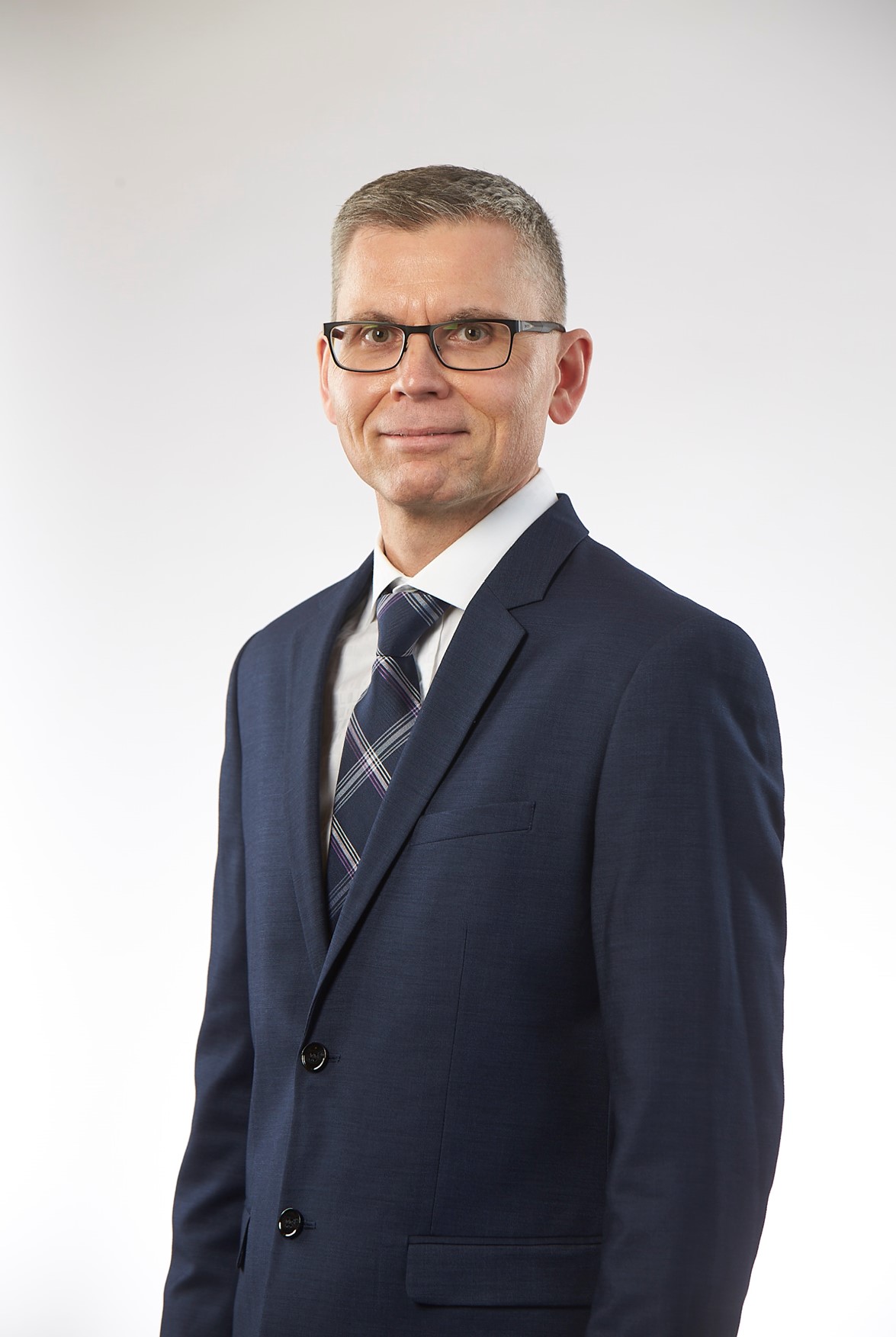
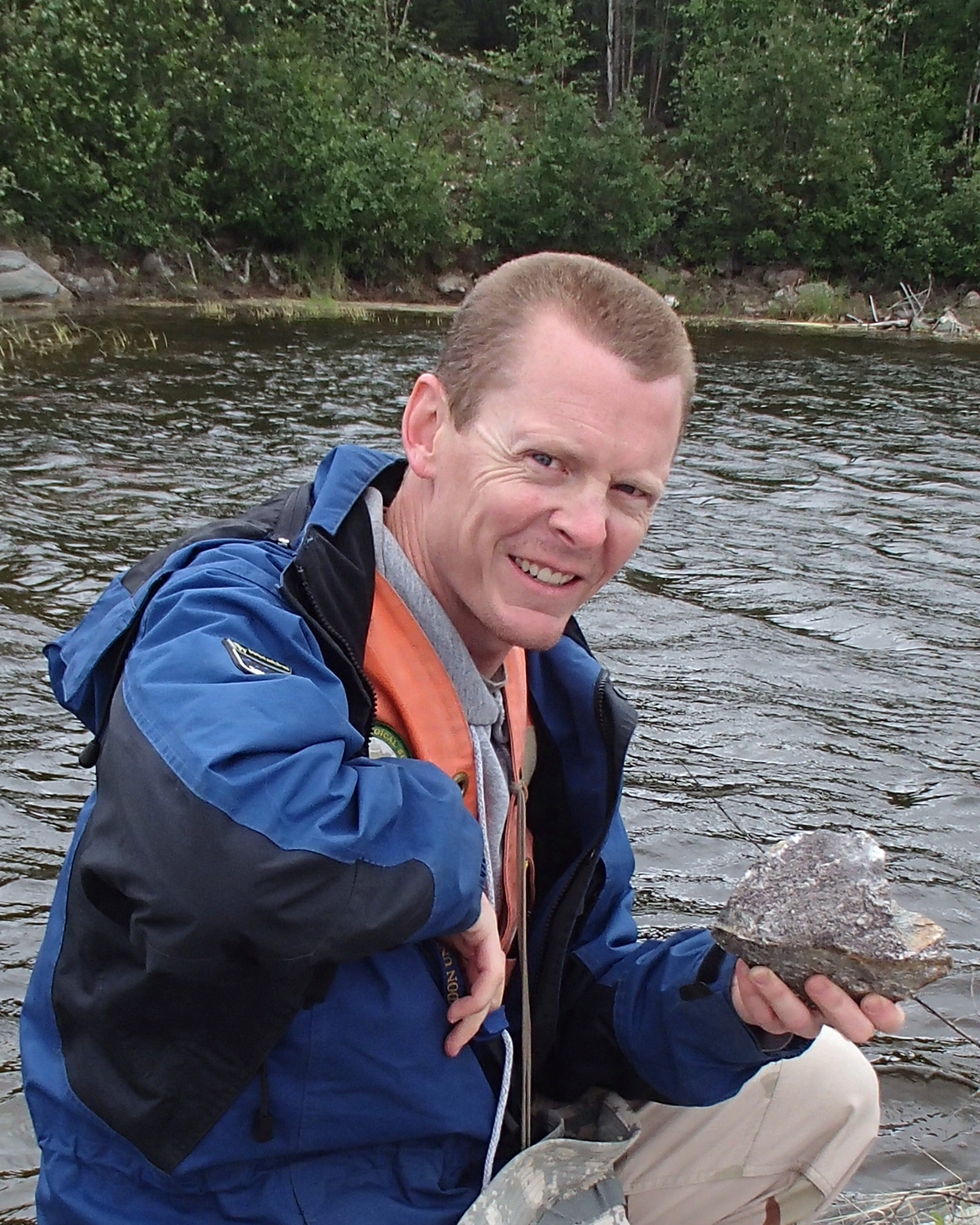
Rob Carter, VP, Hudbay VP
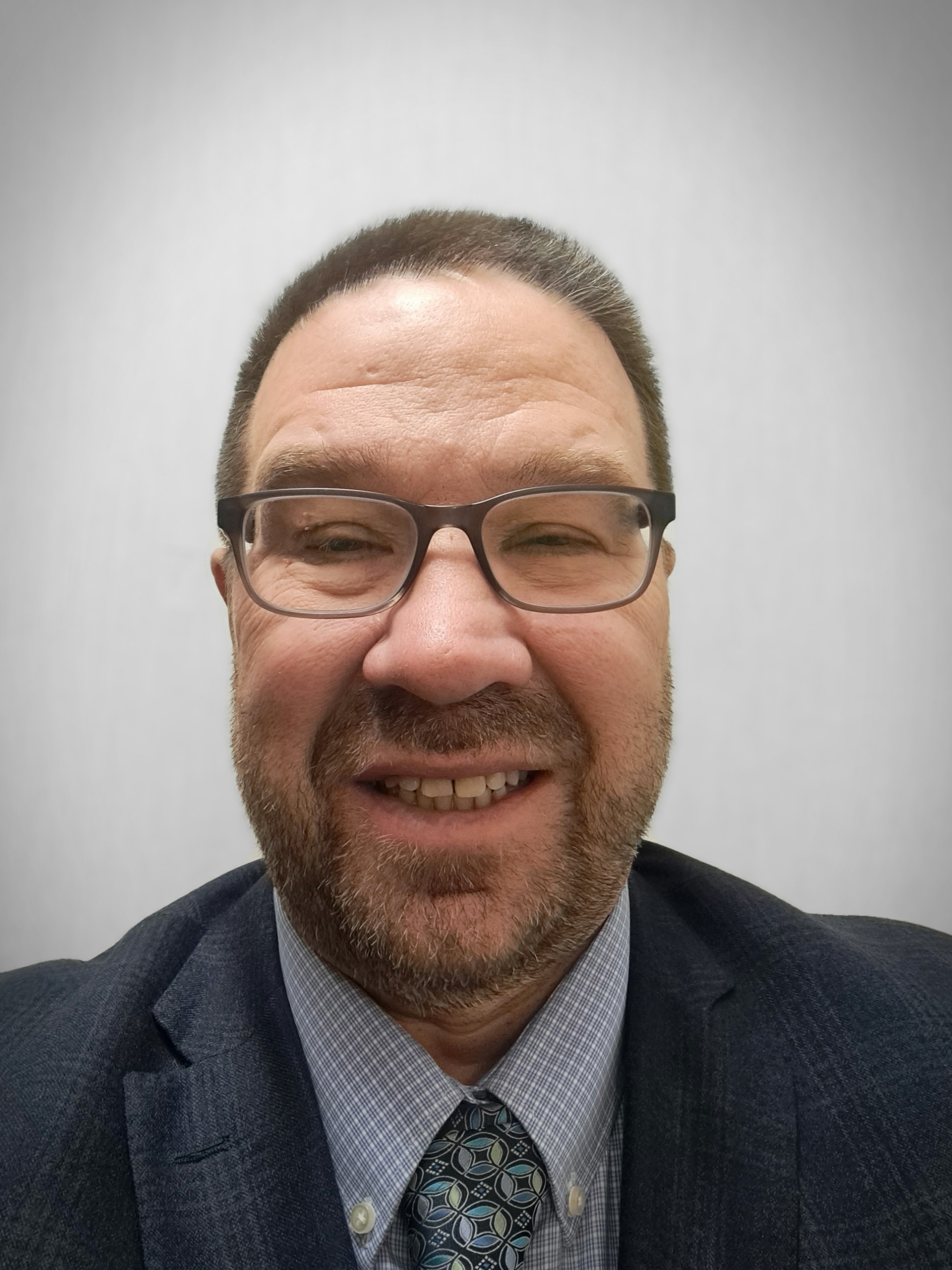
Max FineDay
Max FineDay, a seasoned advocate for First Nations rights and the CEO of Warshield, will lead a conversation that goes beyond land acknowledgements, and gets to the heart of the roadblocks and opportunities to generate wealth with Indigenous peoples.
With over a decade of experience in policy, communications, and government relations, Max has represented the interests of local, regional, and national First Nations organizations and brings that expertise to CCMEC.
Moderator: Rob Carter
Robert Carter was appointed Hudbay Vice President, Manitoba Business Unit in April 2022. As leader of this business unit, Rob is responsible for the strategic and operational performance of Hudbay’s activities in Manitoba. He brings extensive experience with a deep focus on safety and continuous improvement having spent a majority of his career in key roles within the Manitoba Business Unit.
Rob has been the General Manager of our Manitoba mines since 2018 and has previously held various other positions at Hudbay, including Manager of the Lalor Mine in Manitoba and Director of Business Development and Technical Services in Hudbay’s corporate group. He has nearly 25 years of mining industry experience in technical, operational and senior leadership roles with 23 of those years at Hudbay.
Rob holds a Bachelor of Science, Geological Engineering from the University of Manitoba and is a Professional Engineer registered with Professional Engineers Ontario and Engineers Geoscientists of Manitoba.
A Simple Multi-Borehole Resistivity Method for Small to Large Scale 3D Imaging
(Joe Mihelcic)
The method consists of placing transmitter electrodes at ‘infinity’ perpendicular to the dominant target trend and reading electrode voltages with a receiver across at least three borehole pairs over many depth combinations. The data are georeferenced in 3D and input to inversion modeling software to produce a 3D resistivity image between the boreholes. Three examples are presented: small scale for void detection, medium scale for bedrock characterization, and large scale for mineral exploration. Future developments include super large scale for investigations under existing mining camps, automated ‘robots’ to operate winches at multiple borehole pairs with customized software, enhanced quantitative interpretation for near-borehole anomalies and effects, and modeling various target scenarios for critical mineral exploration.
Red Relief Image Map (RRIM), A New Visualization Method of 3d Data for Mineral Exploration (John Rankin)
This presentation will go over the benefits of Red Relief Image Mapping, and how this new visualization method can assist in mineral exploration.
High resolution 3D topographic data potentially holds useful information which cannot be expressed by ordinary visualization methods. Red Relief Image Mapping (RRIM) is a new method based on multi-layered topographic information computed from gridded 3D data (DEM). RRIM can visualize the topographic slope, concavities and convexities at the same time. Any user can quickly and clearly read and interpret the data with minimal instruction and no need for GIS or Geomatics training.
Revolutionary Airborne Electromagnetic Technology for Mineral Exploration (Alexander Prikodko)
The presentation will introduce a groundbreaking airborne electromagnetic (AEM) technology based on natural sources that is set to revolutionize the field of mineral exploration. This innovative system significantly surpasses conventional AEM systems in both depth of investigation and the range of resistivity it can accurately describe. Our new technology provides a much greater depth of investigation, enabling us to explore deeper beneath the Earth's surface. This extended reach allows for the detection and analysis of mineral deposits that were previously inaccessible, opening up new possibilities for mining operations and resource management. Additionally, this advanced AEM technology offers a wider range of resistivity measurements. This capability is crucial as it provides a comprehensive geoelectrical image of the subsurface, including alteration zones following mineralization systems. By accurately depicting variations in resistivity, we can obtain a full picture of mineralization systems, including their size, shape, and composition. This detailed imaging is essential for identifying economically viable mineral deposits and understanding their geological context. The enhanced depth and resistivity range of our new AEM system not only improve the accuracy of mineral exploration but also increase the efficiency and effectiveness of these operations. This means reduced exploration costs, minimized environmental impact, and a higher probability of discovery success. Several field examples and comparisons are included into the presentation.
ClearView Geophysics, Joe Mihelcic
Joe’s original goal as an engineering undergrad at Queen’s University in Kingston was to work as a geophysicist in the oil industry. When he graduated in 1988 the mineral exploration industry had more opportunities, so he worked for JVX Ltd. which at the time was a leader in surface and borehole IP surveys for gold and base metal exploration. In 1991 he worked for Hyd-Eng Geophysics Inc., a rapidly growing and leading geophysics contractor specializing in near-surface geophysical surveys. Following a stint with Golder Associates on projects carried out primarily in California, and an MBA from Ivey Business School in London, Joe started ClearView Geophysics Inc. in 1996. Since then, ClearView has carried out hundreds or surveys for environmental, geotechnical investigations, and mineral exploration. Joe continues to carry out fieldwork on projects ranging from multi-instrument private locates for pipes and utilities, to snowmobile-mode magnetics and EM surveys for high resolution data at ground level, to cross-hole IP/resistivity surveys for ‘seeing’ between boreholes. ClearView’s website is www.geophysics.ca.
Eagle Mapping, John Rankin
John holds a B.Sc. in Physical Geography from the University of Calgary, specializing in remote sensing. Additionally, he obtained a technical diploma in surveying and photogrammetry from the Southern Alberta Institute of Technology.
With over 25 years of expertise, John excels in photogrammetry and LiDAR, catering to the natural resource sectors and government agencies.
Expert Geophysics, Alexander Prikhodko
Alexander Prikhodko has been deeply involved in the airborne geophysics industry since 2005, working with reputable organizations like Aeroquest Limited, Geotech Ltd., and Expert Geophysics Limited. Over the years, he has held important roles like Regional General Manager, Data Interpretation Manager, Director of Geophysics, and Chief Geophysicist, steering exploration projects worldwide across various resource sectors.
He holds a mining engineer degree in geology and geophysics from the National Mining University in Ukraine and a Doctorate in geophysics from Ural Mining University. He possesses a Master of Business Administration from the Sandermoen School of Business at the University of Fredericton.
He is an author and co-author of many publications focused on airborne electromagnetics. In recognition of his contributions, he was honoured with the Barlow Medal in 2019 for publishing the Best Geological Paper in CIM publications (Canadian Institute of Mining, Metallurgy and Petroleum).
With a unique blend of technical expertise, leadership, and academic accomplishments, Alexander Prikhodko continues to play a pivotal role in advancing the airborne geophysics field, driving innovation and excellence.
Chair: Shannon Johnston
A dedicated professional based in Thompson, Manitoba, Shannon has 22 years of geological experience in northern Manitoba, working in the gold and nickel mining industry. Hailing from Charleswood in Winnipeg, Shannon holds a BSc. (Hons) degree in Geological Sciences from the University of Manitoba, which she completed in 2001.
She embarked on a career with INCO Ltd., in 2003, and is now a Senior Geologist with Vale Base Metals, In-Mines Exploration Department. Shannon has extensive and diverse work experience in the Thompson Nickel Belt, particularly with Vale.
Her various roles include working underground, in quarries and open pits, in the core shed, and in the mine office as Drill Geologist. Shannon has witnessed first-hand the evolution of mining in terms of safety, diversity, and inclusivity. This has equipped her with invaluable insights into the industry’s intricacies and challenges.
Alamos’ Lynn Lake Gold Project: Exploration Processes and Greenfields Discoveries (Carolynn Hudek)
Alamos Gold acquired the Lynn Lake Gold Project in 2015 and spent the first five years drilling at and near the three historic mine sites: MacLellan, Gordon, and Burnt Timber. Since 2020 the focus has been on systematic exploration to cover the entire 58,000 Ha property. This presentation will discuss the exploration methods employed by Alamos which have been key to exploration success, and provide an overview of two greenfields discoveries in Tulune and Maynard.
Grid Metals’ MM Project: On Track to Become the Next Major Copper-Nickel-PGM Production HUB in Manitoba (Dave Peck)
Grid Metals Corp’s MM project captures most of the prospective Cu-Ni-PGE ground in the Bird River greenstone belt, southeastern Manitoba. The belt, a former nickel producer, is a direct analogue of the Ring of Fire district in northwestern Ontario.
The Company is currently launching an ambitious exploration and development plan that will complement its ongoing efforts to commission the next lithium mine in the province at its Donner Lake property. Currently, the MM project captures 50 million tonnes of pit-constrained Cu-Ni-PGE resources. The project comprises two discrete mineral trends: (1) The Makwa Domain, which includes several nickel-rich disseminated magmatic sulfide deposits hosted by the Ultramafic Series of the Bird River Sill; and (2) The Mayville Domain, which features a series of predominantly mafic intrusive bodies that host high tenor, copper-dominant, disseminated sulfide mineralization.
The first step in the campaign is the completion of a series of new, deep-penetrating, high-resolution airborne EM surveys to support the first belt-wide search for feeder-related massive sulfide deposits. The next major step will involve exploration drilling and associated lithogeochemical and downhole geophysical surveys. Drilling will initially focus on a 4km long trend of mineralized gabbro that includes the historical New Manitoba deposit. The Company has set the dual goals of doubling the current open pit resources and adding new high-grade massive sulfide discoveries. If successful, the project would support Manitoba’s first new critical metals mining hub in many decades.
Carolyn Hudek, Alamos Gold
Carolyn Hudek graduated with a Bachelor of Geological Sciences (Hons.) from the University of Manitoba in 2012 and obtained her Project Management Professional certification in early 2024. She has dedicated her career to gold exploration across Canada, namely with Sabina Gold and Silver on the Back River Property, Nunavut, Chalice Gold Mines on the Kinebik and East Cadillac Gold Properties, Quebec, and with Alamos Gold on the Lynn Lake Gold Project, Manitoba and at the Young-Davidson Mine, Ontario. She started with Alamos in 2020 as a project geologist and since 2023 has managed the Lynn Lake site as the exploration superintendent.
David Peck, Grid Metals
Dave Peck is a professional geoscientist with over 35 years of experience in the private and public sectors. He joined Grid Metals (GM) in 2020 where he oversees the company’s critical metals exploration and development programs in Ontario and Manitoba. Prior to joining GM he was vice-president of Exploration for North American Palladium Ltd. and built a Vancouver-based geoscience consulting business. From 2003-2009 he was Global Nickel Commodity leader for Anglo American’s Exploration Division. He previously worked as a senior geologist for Falconbridge Ltd. and a mineral deposits geologist for the Manitoba Geological Survey. Dave holds a PhD. in Geology from Melbourne University and a M.Sc. in Geology from the University of Windsor. He has authored numerous academic, government and NI 43-101 technical reports. Dave recently joined the Board of Directors of Clean Air Metals. He currently lives in Winnipeg with his wife Michelle and daughter Josephine.
Neil Richardson, Chair
Neil is a professional geoscientist registered in Manitoba and Ontario and is currently the Director of Exploration – Canada for Hudbay Minerals Inc. Neil has over 35 years’ experience in the industry, including such roles as Chief Operating Officer, Director of Exploration, Exploration Manager and geologist positions for mid-tier and junior mining companies. Neil is also the co-chair of MAMI’s Exploration committee. Neil believes in the importance of exploration to find metals to continue to build new technology (green energy) and to show the world that mining is an environmentally friendly industry focused on working towards a cleaner future.
Abstract:
Navigating the licensing process in the mining industry is multi-layered, and in this presentation, participants will be given an overview of the environmental assessment and licensing process for mining developments in accordance with the Manitoba Environment Act. Four industry experts will cover the essential steps of the licensing process including Crown-Indigenous consultation and the regulatory requirements for alterations to existing mining developments. By understanding these steps, mining companies can work through the environmental assessment and licensing process effectively and ensure compliance with environmental regulations in the province.
Agnes Wittmann, Enviro Approvals Branch
Agnes joined the Department of Environment and Climate Change in 2023 as the director of the Environmental Approvals Branch. Environmental Approvals Branch leads the review and issuance of environmental licences, waterpower licences, and environmental permits and manages the air quality program to support sustainable development while protecting the environment.
Siobhan Burland Ross, M.Eng., P.Eng., Industrial & Wasterwater Approvals Branch
Siobhan Burland Ross has been the engineering manager of the Industrial and Wastewater section of the Environmental Approvals Branch since re-joining the branch in 2009.
Her mandate includes the environmental assessment and licensing of wastewater treatment facilities, mines, and manufacturing facilities. Other work experience includes risk assessments for contaminated site remediation and air dispersion modelling of industrial air emissions. Siobhan has a Bachelor of Applied Science in Regional Environmental Systems Engineering from the University of Regina, and a Master of Engineering from McMaster University.
Jennifer Winsor, Industrial & Wasterwater Approvals Branch
Jennifer Winsor graduated with honours from Biosystems Engineering at the University of Manitoba. Her professional career began in the environmental consulting sector working with Manitoba First Nations communities. Following her work in private industry,
Jennifer joined the public service with the Environmental Approvals Branch of the Manitoba Government. With over 21 years’ experience as a Senior Environmental Engineer, Jennifer has extensive knowledge of Manitoba’s environmental legislation and the environmental assessment and licensing process and is responsible for leading environmental assessments of mining developments in Manitoba.
Gavin Bergeron, Indigenous Relations
Gavin Bergeron is from Nisichawayasihk Cree Nation. He started with the provincial government in 2021. Since then, Gavin has led mineral sector Crown-Indigenous Consultations across our beautiful Province and currently works in the department of Economic Development, Trade and Natural Resources Indigenous Relations. He has past experience working for Indigenous Services Canada. In his downtime Gavin enjoys being on the land and spending time with loved ones.
Chair: Landice Yestrau
Landice Yestrau is an Environmental Professional (EP) with over 12 years of experience specializing in mining operations. As the Manager of Environment & Indigenous Relations at Hudbay Minerals' Manitoba Business Unit, she leads a team that obtains operating licenses and permits, ensures compliance with regulatory standards, oversees the Environmental Management System, and executes water and air quality programs across the Snow Lake and Flin Flon areas.
In addition to her environmental responsibilities, Landice manages Indigenous Relations, guiding her team in building meaningful relationships with local Indigenous communities, advancing the Truth & Reconciliation Commission’s Call to Action #92, and promoting cultural awareness within the company. She is committed to collaborative approaches to ensure Indigenous perspectives and environmental considerations are integrated into business strategies and everyday operations.
In the mining Industry, Manitoba has a dedicated Permit Office (PO) to coordinate and administer Work Permit review, circulate information, and approve processes. The PO serves as a central liaison for industry to navigate Manitoba policy and legislative requirements and coordinates communication as efficiently as possible between proponents and subject matter experts within several government branches and departments.
This presentation will provide more information about the PO, including the procedures and processes that are followed from start to finish for issuance of a Mineral Exploration Work Permit. Further insight will be provided on what makes a successful project including more information on Indigenous inclusion.
The PO and MAMI recently worked together to standardize work permit conditions and updated the guidelines for Mineral Exploration to support the industry. The presentation will wrap-up with a live demo of the new resources available to proponents to support the work permit application process to make it easier to navigate the early stages of mining exploration.
Mike Armstrong, Permit Office Manager, Province of Manitoba
Mike joined the Permit Office team as manager in September 2022. Mike has several years of relevant work experience with Natural Resources, starting in 1990 as a Natural Resource Officer in Winnipeg and transferring to various locations including Bissett (where his wife, Kelly, worked for Rae Gold and Harmony Gold) and Cranberry Portage (known for its natural resources and Big fish!).
In 2006, Mike relocated to The Pas gaining valuable experience as the Regional Crown Land Manager until transitioning to the Permit Office. In role, Mike’s experiences have allowed him to steer several major, complex projects.
Mike’s career and personal life in the north has led to good relationships and friendships with many local resource users and communities. He also holds membership on several Resource Management boards. Mike is an essential part of the Permit Office team and constantly strives to develop ways to achieve efficiency in the department.
Dale Wride, Permit Office Manager, Province of Manitoba
Dale Wride joined the Permit Office team as the Permit Office Resource Planner in the spring of 2023 bringing a with him strong technical and practical knowledge of mineral exploration and mining related activities. Dale has an extensive network of relationships he has built and maintained with industry and northern communities over the years.
Prior to joining the Manitoba Government, Dale worked across Canada in several different capacities of mineral exploration including airborne, surface and underground geophysics. Dale understands the impact of work permit delays and aims to help Industry and government navigate this process. Dale and his wife Theresa live off-grid outside of Flin Flon with their dog Emmett, a couple of cats, 30-ish chickens and, until a couple weeks ago, a few turkeys.
Neil Richardson
Neil is a professional geoscientist registered in Manitoba and Ontario and is currently the Director of Exploration – Canada for Hudbay Minerals Inc. Neil has over 35 years’ experience in the industry, including such roles as Chief Operating Officer, Director of Exploration, Exploration Manager and geologist positions for mid-tier and junior mining companies. Neil is also the co-chair of MAMI’s Exploration committee.
Neil believes in the importance of exploration to find metals to continue to build new technology (green energy) and to show the world that mining is an environmentally friendly industry focused on working towards a cleaner future.
Chair: Chantal Venturi
Chantal is an exploration geologist with over 20 years of experience in the industry, with a focus on gold and VMS exploration. Chantal was appointed to her current role as Chief Geoscientist with Hudbay Minerals MBU in 2020.
She holds a Master's degree in Earth and Environmental Sciences from UBC and an Honors Bachelor of Science degree from the University of Toronto. Chantal is a licensed professional Geoscientist in the Provinces of Manitoba and British Columbia.
She is an avid hiker, dog walker, kayaker, gardener and painter.
Earth Ex
Sponsored By: Earth Ex
Mine Rescue instructors and team members from Vale and Tantalum Mining will share the steps required to respond to an underground emergency. Senior Instructors Kelly Edwards and Craig Kulbaba, Instructors Sean McKenzie and Greg Bellin and Team Member Corbin Watkinson and Director of Operations Martin Murphy are reporting to the mine site to be the first team underground in this scenario. The director of operations and a mine manager will strategize while the other team members prepare to go underground.
Mine Rescue Demo
Fabian Anderson, First People's Fund
Fabian Sanderson is the Chief Executive Officer for First Peoples Economic Growth Fund. This is an economic development initiative created jointly by the Province of Manitoba and the Assembly of Manitoba Chiefs, to drive First Nation economic development throughout the province, with the goal of championing entrepreneurship growth through specialized support and lending programs, to help create self-sustainable revenue for First Nation Communities and its Members.
As CEO, Fabian is responsible for providing strategic, financial, and operational leadership for the company, and to work closely with the Board of Directors and senior leadership team. Prior to joining FPEGF, he worked for the Royal Bank of Canada in a personal and small-business lending and investment capacity. Fabian attended Red River College where he completed his Business Administration Diploma, then transferred to the University of Manitoba where he completed his Bachelor of Commerce (Hons), double majoring in Marketing and Human Resource Management.
Chief Larson Anderson, Norway House Cree Nation
Larson Anderson is the Chief of Norway House Cree Nation, where he was born, grew up and has raised his own family. He has extensive experience in economic, financial and business management. His recent activities include being re-elected as the Chief of the Norway House Cree Nation for a second four-year term, working with the Northern Authority to improve Child and Family services in the North, and managing the Kinosao Sipi Multiplex to improve economic development in the community of Norway House.
Larson began his commitment and determination to helping his community when he was elected Councillor for Norway House Cree Nation in 1994 to 1998, and was elected Chief in 2018 and subsequently in 2022. He also operated a local business to create employment and economic development and was hired as the manager for the Kinosao Sipi Multiplex. Larson then became interested in pursuing his education at the University of Manitoba to successfully complete the Bachelor of Arts Program. After completing his education, he returned home to Norway House Cree Nation to be elected as Chief.
Larson Anderson shows love and compassion as he comes from a large family of eight sisters and four brothers. He and his wife Lisa live in Norway House and have four daughters, a son-in-law and a granddaughter. Larson is fluent in Cree and fully supports the youth, elders and families in Norway House Cree Nation to achieve their goals and live healthy lives.
Chair: Richard Trudeau
Richard Trudeau has had a four-decade long career in the mining industry, having recently retired from Hudbay Minerals in the role of Director of Health, Safety and Aboriginal and External Affairs and Director Human Resources, Indigenous and External Affairs. Richard is also the past president of MAMI and long-time Mine Rescue co-chair. Richard cares about the long-term sustainability of mining in the province and believes in the need for more “boots on the ground” and easy access for exploration companies to explore and find that next mine.
Exploring for Nickel (Alan Aubut)
In this session of Prospecting – Where it all Begins industry expert Alan Aubut will look at exploring for rare but of high value nickel deposits. Many are associated with komatiite flows hosted by sulphidic sediments within extensional basins, this allowed the mantle-derived ultramafic magma to come in contact with those sulphidic sediments allowing contamination and partitioning of nickel into the sulphides. Extensional basins are common in many Archean greenstone belts and are characterised by Oxford Lake Group or Temiskaming sediments and include deep-water sulphidic argillites. Examples of this type of environment include the Wollaston Lake area of Saskatchewan, Island Lake greenstone belt in Manitoba, the Shebandowan greenstone belt in Ontario and the Animikie basin, also in Ontario.
The Art of Prospecting (Tom Lewis)
Industry expert Tom Lewis will share that prospecting is an art, with scientific assistance, that is in the business of finding ore. Prospectors have had to adjust to the modern reality that minerals and metals are a depleting resource, and the easy discoveries have been found.
Prospectors have had to develop new skills, from negotiating a fair agreement, through the exploration cycle, to developing business acumen to option their property to prospective buyers, or convincing management that their property should advance to the economic assessment stage.
Tom will draw from his personal experience, the experience of others as well as papers on the subject.
Till Geochemistry Vectoring and Exploration for Magmatic Ni, Cu, Co and PGE’s in the Thompson Nickel Belt, North Central MB. (Garry Thorne)
Norcangeo Ltd. Has been conducting till geochemistry exploration on company claims in the Thompson Nickel Belt (TNB) since 2012. The potentially Ni-rich bedrock of the TNB is overlain by discontinuous glacial till and lacustrine sediments that in the current exploration area range from 0 to 15 m thick. To auger through the sediments and sample the till overlying bedrock a custom made and patented light-weight, portable and efficient drill
has been constructed and field techniques developed to allow cost effective access and sampling of the till unit.
Alan Aubut
Alan Aubut is a graduate of Lakehead University (HBSc) and the University of Alberta (MSc). He spent much of his career with Inco Ltd., now Vale Canada, exploring for gold, nickel and other base metals throughout much of Central Canada. After retiring he started his own consulting firm specialising primarily in resource estimation.
Tom Lewis
Tom Lewis is a retired geological engineer with over 40 years of experience in the mineral exploration business. Work has included all phases of exploration including advanced exploration, and feasibility studies resulting in a mine production decision on the Musselwhite Project. In addition, while at HBED, he became involved with mining operations and the discovery of several base metal deposits. At Anglo American, he was the Safety, Health, Environment and Community Relations Coordinator for N.A. and Europe.
Since retirement, Tom is serving as technical advisor to NicKelex Resource Corporation, and the Mining Board of Manitoba. He is the Past President of the Manitoba Prospectors and Developers Association. In his spare time, he volunteers making presentations to seniors in retirement communities.
Garry Thorne
Garry is retired from Atomic Energy of Canada after working as a geoscientist in the Applied Geoscience branch of the Canadian Nuclear Fuel Waste Management Program and Whiteshell Decommissioning for 28 years.
Prior to AECl he worked on the Arctic Island Pipeline Project conducting hydrological investigations on river systems from the Canadian High Arctic to Southern regions.He plans on a second retirement from mineral exploration as soon as he finds a 10 million ton NI, Cu, Co and PGE ore body or equivalent.
Janet Southern
Janet Southern is a senior geologist with Vale Base Metals for In-Mines Exploration group in Thompson, Manitoba. She has over 30 years in the mining industry starting in underground geology beat work.
Her career started in gold at Golden Patricia Mine in Northern Ontario, then at New Britannia Mine in Snow Lake. Souther also worked briefly in zinc at Chisel North Mine with Hudbay, before starting with Vale in 2007. She started work in Thompson at the Birchtree Mine and has worked in various roles; currently she is working on long range resource models.
(Tafa Kennedy)
The Manitoba Geological Survey conducts a wide range of investigations, which include the examination of exposed bedrock, subsurface, and surficial sediments including sand, gravel and organic deposits throughout Manitoba. It also provides geoscience support for the regulatory framework and tenure systems managed by Mining, Oil and Gas, which includes oil field-pool code designations, geoscientific review of oil and gas licences and applications, borehole licence reviews, aggregate inquiries and land use designations.
By developing an understanding of Manitoba’s geology and geological processes, the MGS provides fundamental data and unbiased technical support to inform government policy and decision-making, mineral exploration, and wise land use management. Manitoba`s geoscientific team has carried out numerous field and office investigations including collaborations with neighboring jurisdictions. The broad range of expertise and projects underway provide a comprehensive cross-section of the Survey’s activities and valuable resources for industry, academia, governments and communities. The presentation will highlight the team and the projects they are working on.
Overview of the Mining, Oil and Gas branch, highlighting what we do and who we are. (Maryanne Porteous)
(Roselle Miko)
Abstract: An overview of the Business Development Services Unit, highlighting what we do and who we are.
Tafa Kennedy, Geological Survey Department
Dr. Tafa Kennedy is the Director of Manitoba Geological Survey, with over 20 years’ experience in the exploration and mining industry, in South Africa, Tanzania, Quebec and Ontario. Tafa obtained her B.Sc from Rhodes University, M.Sc from Pretoria University and Ph.D. from the University of Quebec in Chicoutimi. She has worked as a Nickel and PGE deposit geologist in Raglan and Kabanga for Xstrata Nickel and as a consultant geologist in Quebec, roaming in and around the Abitibi greenstone belt dealing with gold and base metal deposits.
After a time in the industry, her call to the public service began in 2017 with the Resident Geologist Program and the Mining Lands Division in Ontario.
Marianne Porteous, Mining, Oil & Gas
Marianne Porteous is a graduate from University of Manitoba with BA in Anthropology, B. Env. Studies and M. Env. Studies. She has worked for the Government of Manitoba for over 15 years in various roles focusing on natural resource development and currently is the Director of the Mining, Oil and Gas Branch. When not at work she is kept very busy with two young daughters and their various activities.
Roselle Miko, Business Development Services Unit
Roselle Miko has a Master’s of Natural Resource Management. She has worked for the Government of Manitoba for over 15 years and has extensive experience with the regulatory and policy environment, including in natural resources management. She is adept at navigating complex legislative landscapes and is committed to fostering collaborative partnerships. She recently joined as the Director of the Business Services Development Unit. When not working, you can find her enjoying many outdoor activities including fishing at her favourite lake.
Chair: Richard Trudeau
Richard Trudeau has had a four-decade long career in the mining industry, having recently retired from Hudbay Minerals in the role of Director of Health, Safety and Aboriginal and External Affairs and Director Human Resources, Indigenous and External Affairs. Richard is also the past president of MAMI and long-time Mine Rescue co-chair. Richard cares about the long-term sustainability of mining in the province and believes in the need for more “boots on the ground” and easy access for exploration companies to explore and find that next mine.
Jessica Andrew Geologic AI (Abstract)
GeologicAI is a global leader in rock and resource analytics and digitization, offering a cutting-edge solution that combines high-end robotics, state-of-the-art sensors, AI, machine vision, and leading resource modeling algorithms to empower mining companies with risk-qualified decision-making for their mineral deposits.
Its multi-sensor core scanning integrates advanced AI and machine learning to correlate data from hyperspectral, XRF, RGB, LiDAR, and more, revealing critical insights and enhancing ore body knowledge. With Resource Modeling Solutions, advanced geostatistical and geometallurgical techniques are used for translating the vast data generated from core scanning into improved spatial prediction of critical resource and recovery attributes. Together, GeologicAI and Resource Modeling Solutions enable mining companies to make informed decisions that lead to more robust, profitable, and sustainable extraction.
At CCMEC GeologicAI will introduce its technology, present some of the applications of AI and core scanning with its products and then look into some cases of this in action and the value it can bring in downstream decision making.
Abstract (Simon Gagne)
New technologies developed in the past two decades have been increasingly used in mineral exploration. However, the need for meticulous high-quality field work has remained. This presentation will highlight how Kinross greenfield teams combine some of the new technologies in our workflow while continuing to conduct early-stage exploration programs focusing on traditional mapping and prospecting
3D-GEm: A Geophysical Exploration Breakthrough (Emmanuel Ramos)
In this CCMEC session Emmanuel Ramos describes 3D-GEm, an innovative geophysical tool, employing natural electromagnetic (EM) signals to create detailed 3D maps for geological exploration. Emmanuel hopes that the convenience, versatility, and scientific value of 3D-GEm can enhance the energy, minerals, and geological exploration in Canada.
The features of this new geophysical tool include:
Jessica Andrew, Geologic AI
Jessica Andrew is the director of Business Development at GeologicAI and has been working within the mining technologies sector for the last five years. Holding a specialization in Geological Sciences from Queen's University, she is passionate about leveraging technological advancements to drive innovation in the industry. Jessica is dedicated to the importance of foundational geologic data needed to meet the global demand for critical minerals.
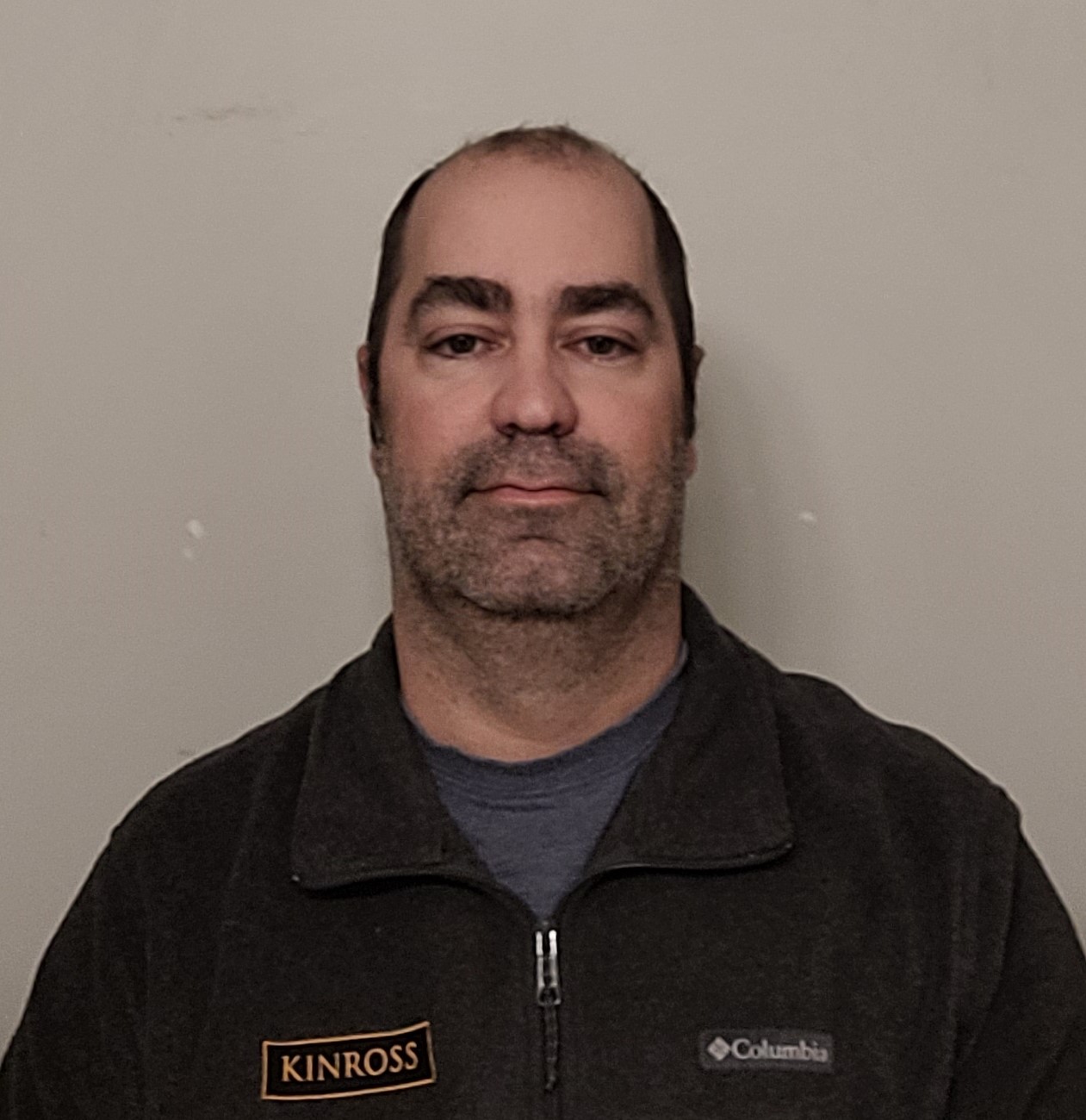
Simon Gagne, Kinross Gold
Simon graduated with a B.Sc. in Geology from the Université du Québec à Montréal in 2001, he then went on to obtain a M.Sc. in Geology from Dalhousie University in 2004. He has been a practicing geologist for over 15 years. In 2019, after 10 years as a regional bedrock mapper and economic geologist with the Manitoba Geological Survey, he moved on to mineral exploration as a consultant.
After a short stint as a consultant, he joined the Canadian Greenfield Exploration branch of Kinross Gold corporation in 2021. Since joining Kinross, he has continued to conduct field-based mapping and prospecting projects focusing on orogenic gold in the Trans-Hudson orogen and the Superior Province.
Emmanuel Ramos, Tekton Geomatrix
Emmanuel Ramos, a geologist, previously worked as volcanologist and seismologist in the Philippines and is currently the chief geophysicist at Tekton GeoMetrix.
Responding mostly to industry demand, Emmanuel's team is the leading provider of geotechnical instrumentation and monitoring in the Philippines, while conducting research on seismotectonics, geophysics and instrumentation. With a bachelor’s degree from the University of the Philippines, he received his MS and PhD in geophysics from Indiana University in the USA.
Chair: Shannon Johnston
A dedicated professional based in Thompson, Manitoba, Shannon has 22 years of geological experience in northern Manitoba, working in the gold and nickel mining industry. Hailing from Charleswood in Winnipeg, Shannon holds a BSc. (Hons) degree in Geological Sciences from the University of Manitoba, which she completed in 2001.
She embarked on a career with INCO Ltd., in 2003, and is now a Senior Geologist with Vale Base Metals, In-Mines Exploration Department. Shannon has extensive and diverse work experience in the Thompson Nickel Belt, particularly with Vale.
Her various roles include working underground, in quarries and open pits, in the core shed, and in the mine office as Drill Geologist. Shannon has witnessed first-hand the evolution of mining in terms of safety, diversity, and inclusivity. This has equipped her with invaluable insights into the industry’s intricacies and challenges.
The Manitoba Métis Federation (MMF), the National Government of the Red River Métis, represents more than 120,000 Red River Métis Citizens within Manitoba, and many more beyond the provincial boundaries. As such, Red River Métis Citizens have the potential to be impacted by mineral exploration, mine development, mine closure and remediation across Manitoba. In order to effectively assess the potential impacts of the mining industry on Red River Métis s. 35 rights and provide meaningful feedback through crown consultation and proponent engagement, the MMF has implemented many tools. These tools include Resolution No. 8, Community Consultation Meetings, Red River Métis Knowledge, Land Use and Occupancy Studies, and Technical Reviews. The MMF’s presentation will provide more detail on each of these tools, detail the successes, and discuss gaps in the overall process.
Adam Nepon
Adam currently sits as the Vice-Chair for the Indigenous Chamber of Commerce and is the first graduate from the Asper School of Business's MBA program with a focus on Indigenous Business and Economics. His work spans multiple sectors and industries, where he has successfully developed recruitment, engagement, and retention strategies that honor and elevate Indigenous talent.
For business leaders, the path forward is clear: corporate responsibility in Manitoba means engaging with Indigenous communities, fostering economic development, and driving change. Through consultation, Adam provides a framework for action, guiding organizations on how to meaningfully contribute to Call to Action 92 and incorporate reconciliation into the core of their business strategies.
"Call to Action 92 isn’t just about compliance—it’s about leadership," Adam emphasizes. "Business leaders in Manitoba have a pivotal role in shaping the economic future—not only for their companies but for Indigenous communities across Canada. The steps we take today will define corporate responsibility for generations to come."
Madelynn Perry, MMF Tools for Reviewing Mining Projects
Madelynn Perry has worked with the Manitoba Métis Federation (MMF) – the National Government of the Red River Métis, for nearly two years as a Climate Specialist, Mines and Minerals Coordinator, and now as a Policy Analyst within the MMF’s Energy, Infrastructure and Resource Management Department (EIRM). Madelynn’s work is centered around mitigating or accommodating impacts to Red River Métis section 35 rights as it relates to the mining industry.
Her role in the EIRM department focuses on advocating for meaningful and appropriate engagement and consultation with Red River Métis Citizens in the face of development projects across the National Homeland.
Chair: Landice Yestrau
Landice Yestrau is an Environmental Professional (EP) with over 12 years of experience specializing in mining operations. As the Manager of Environment & Indigenous Relations at Hudbay Minerals' Manitoba Business Unit, she leads a team that obtains operating licenses and permits, ensures compliance with regulatory standards, oversees the Environmental Management System, and executes water and air quality programs across the Snow Lake and Flin Flon areas.
In addition to her environmental responsibilities, Landice manages Indigenous Relations, guiding her team in building meaningful relationships with local Indigenous communities, advancing the Truth & Reconciliation Commission’s Call to Action #92, and promoting cultural awareness within the company. She is committed to collaborative approaches to ensure Indigenous perspectives and environmental considerations are integrated into business strategies and everyday operations.
The presentation will share the humble story of building Manitoba’s first potash mine. How the mine came to be, the benefits to Manitoba’s community, region and province, while keeping it locally owned.
Daymon Guillas, PADCOM
Daymon Guillas is an entrepreneur and the successful owner of a leading potash company, with a remarkable career path that showcases his dedication and innovation. His professional journey began at the young age of 20 when he became general manager of a local inn. Over the years Daymon developed his leadership skills building a successful portfolio into the Russell Inn Group that includes an hotel, gas bar, and several franchise restaurants, employing almost 400 people. Daymon was also instrumental in the development of Asessippi Ski Area & Resort and Asessippi Cottage Cove currently holding the position of president and owner.
In 2006 Daymon’s interests turned to the potash industry. His adept lobbying efforts in Manitoba to secure potash leases further demonstrated his strategic vision. Although his partnership with China’s CNTIC ultimately feel through, Daymon’s perseverance and industry expertise resulted in a significant achievement: acquiring the potash leases without incurring any costs. Drawing from his extensive background in lobbying government and never giving up, Daymon skillfully navigated the complexities of the mining industry. His respected relationships with both provincial and federal governments played a crucial role in his company’s growth and successes.
Now 62 years old, Daymon reflects on a career that spans over four decades, including an impressive 42 years as the owner of the inn where his journey began. His successful transition from a hotel manager to a prominent potash entrepreneur highlights his ability to adapt and excel across diverse business landscapes.
Chair: Richard Trudeau
Richard Trudeau has had a four-decade long career in the mining industry, having recently retired from Hudbay Minerals in the role of Director of Health, Safety and Aboriginal and External Affairs and Director Human Resources, Indigenous and External Affairs. Richard is also the past president of MAMI and long-time Mine Rescue co-chair. Richard cares about the long-term sustainability of mining in the province and believes in the need for more “boots on the ground” and easy access for exploration companies to explore and find that next mine.
Earth Ex
John Morris, CCMEC Board
Rob Carter, Hudbay Minerals VP Manitoba Business Unit
Robert Carter was appointed Hudbay Vice President, Manitoba Business Unit in April 2022. As leader of this business unit, Rob is responsible for the strategic and operational performance of Hudbay’s activities in Manitoba. He brings extensive experience with a deep focus on safety and continuous improvement having spent a majority of his career in key roles within the Manitoba Business Unit.
Rob has been the General Manager of our Manitoba mines since 2018 and has previously held various other positions at Hudbay, including Manager of the Lalor Mine in Manitoba and Director of Business Development and Technical Services in Hudbay’s corporate group. He has nearly 25 years of mining industry experience in technical, operational and senior leadership roles with 23 of those years at Hudbay.
Rob holds a Bachelor of Science, Geological Engineering from the University of Manitoba and is a Professional Engineer registered with Professional Engineers Ontario and Engineers Geoscientists of Manitoba.
Amy Byers, Vale Safety Manager
Amy Byers is a professional engineer with nearly 20 years of leadership experience in mineral processing, tailings, and dams with Vale Base Metals. She is now the Manager of Health Safety Risk, having served as Vale’s Tailings and Dams Technical Leader for Manitoba Operations in Thompson for a number of years.
Amy brings a wealth of experience improving operational safety and environmental performance. She is distinguished for identifying solutions in proactively remediating impacted mining areas through the reclamation of valuable minerals from waste products.
Glenn will discuss the importance of building respectful and meaningful partnerships with First Nation communities, highlighting the collaboration between Missanabie Cree and the Renabie Mine as an example of successful partnership development between communities and the mineral industry.
Glenn Nolan, Vice President, Indigenous Enterprises
Glenn has spent his career involved in the areas of resource development, Indigenous relations and government issues. Early in his mining career, Glenn understood the importance of working closely and directly with Indigenous communities. He is committed to continuing the creation of greater partnership development between communities and the mineral industry. In 2001, Glenn changed his focus and was elected Chief of the Missanabie Cree First Nation and served for three consecutive terms. He is a past President of the Prospectors and Developers Association of Canada (PDAC) and was the first Indigenous President in the organization’s history.
He is a graduate of Sault College. At CCMEC Glenn will be focusing on sharing his experiences with building a solid foundation, including relationship development to develop respectful and lasting partnerships and the Missanabie Cree and Renabie Mine story.
Amy Byers, Vale Safety Manager
Amy Byers is a professional engineer with nearly 20 years of leadership experience in mineral processing, tailings, and dams with Vale Base Metals. She is now the Manager of Health Safety Risk, having served as Vale’s Tailings and Dams Technical Leader for Manitoba Operations in Thompson for a number of years.
Amy brings a wealth of experience improving operational safety and environmental performance. She is distinguished for identifying solutions in proactively remediating impacted mining areas through the reclamation of valuable minerals from waste products.
Abstract Title: FINDING THE BALANCE - NEW INVESTMENT IN A MATURE REGION
Mining and exploration companies operating in Canada and internationally are held to increasingly high standards with respect to environmental stewardship, our communication and engagement with the community, and the strength and transparency of our corporate governance (i.e., ESG).
The growing focus on supply chain security for critical raw materials has highlighted the time taken from discovery to development for mining projects, often exceeding 15 years. Finding the balance is challenging as customers need predictable access to materials to underpin massive investments; governments seek motivation to commit to infrastructure and skills development in regional areas; and investor timelines are measured in weeks and months not decades.
A common risk to project timelines is ESG, with delays triggered when community engagement has not kept pace with technical milestones, and misunderstandings abound.
T2 Metals Corp, supported by community facilitation coordinator Floyd North, have taken a proactive ESG-first approach at the Company’s flagship Sherridon VHMS project. This approach has delivered tangible economic and social benefits within the Kiciwapa Cree Nation and the Community of Sherridon. This relationship with rights holders is cornerstone to T2 Metals’ exploration plans, on a path to potential mine development.
Jamil Sader, T2 Metals
Dr. Jamil Sader has over 22 years of experience in the mineral resource business. He has held several technical and management positions including serving as director and CEO of a TSX-V company and working with major mining companies including Anglo American.
His extensive experience has provided Dr. Sader a deep understanding across many facets of base, precious, and critical metals. Dr. Sader is currently an advisor to several junior companies, including T2 Metals Corp. He holds a BSc from the University of Saskatchewan, an MSc from the University of Texas at Dallas, and a PhD from the University of Ottawa.
Floyd North
Floyd North (Oh-Choo-Kan-Nees) is a Woodland Cree from the Adhesion Territory of Treaty Six. His Ancestry pre-dates Canada and Discovery. His “KooKum” was the Head Clan Mother for “O-pa-pa-ski-ti-na” (Highrock) Territory. Hicghrock Indian Reserve 199 was created out of an agreement signed by his “KooKum”, Marguerite Columb. This agreement created the Treaty Siz “adhesion” Territory and the “Highrock “Forest Section in the northwest region of Manitoba. His greatest memories are from the times out at his granny and grandpa’s bush cabin at Wa-chi-Sa-ka-hi-kan (Derby Lake). The stories he heard about the way of life before the arrival of the “Discoverer”. These stories made it clear early in his life that “The “Great Spirit” only helps those that help “Themselves”.
In 2018, Floyd became the community liaison for the partnership between Canadian Kraft Paper (CKP) and Nekote (7 First Nations). His focus is on relationship building between First Nations, government and industry. Through the community liaison the Nekote communities participate in decisions that involve partnership activities in their traditional territories. Providing information to help Nekote communities make the decision to mobilize individuals, groups, and organizations to participate in the partnership opportunities.
Floyd has extensive knowledge of and experience working within the Natural Resources, Exploration, Mining and Forestry sector that spans over several decades. He is also a Cree engagement specialist with considerable experience advocating for communities and supporting them on various engagement initiatives. Floyd has built long-lasting relationships with many First Nations across Manitoba, numerous provincial and federal government offices and officials, as well as industry professionals. He has excellent leadership, communication and management skills.
Beyond Floyd's impressive career in the development sector, he is also currently the Headman of Kiciwapa Cree Nation in Kiciwapa (Sherridon), MB. Floyd's ability to lead and advocate for Treaty rights and interests has secured him the trust of his community and significant recognition from industry and government. His goal is to achieve “Business Reconciliation” through relationship agreements with industry and government to government revenue sharing agreements with Manitoba.
Clayton Pearson, Vale
Clayton is the Exploration Manager for Manitoba at Vale Base Metals. Since joining Vale in 2011, he has contributed to both greenfield and brownfield exploration for nickel and copper across North America. Before taking on his current role in 2021, he was the Geology Lead for North Atlantic projects. Clayton is dedicated to building a strong pipeline of mineral projects, advancing from discovery through to feasibility, and driving strategic growth in resource development.
Gord Dumas, Nisichawayasihk Cree Nation
Gord Dumas is a member of Nisichawayasihk Cree Nation in Treaty Five Territory, northern Manitoba.
As the Executive Director of NCN Lands & Resources, Gord is responsible for the planning and implementation of NCN Lands & Resources governance under Land Code as well as land use planning and resource management under the provisions of Article 6 of the 1996 Comprehensive Implementation Agreement. Gord has recently helped NCN negotiate a mineral exploration agreement with Vale and is currently in discussions with other junior explorations companies to follow established model of doing business within NCN Ancestral Lands.
Gord’s background includes a 20-year career as a Natural Resource Officer with the Province of Manitoba and 12 year stint with Manitoba Hydro in a senior management capacity. Gord understands the importance for NCN to secure its lands and resources within its Ancestral Lands to support economic development and self-sufficiency for NCN.
Carl Braun, Chair
Carl Braun is a First Nation member of the Pimicikimak Cree Nation and is President of Ininiw Strategies Incorporated. Carl holds a Natural Resource Management Technology diploma from the University College of the North and has completed advanced training in Project Management, Financial Management, and Results-based Performance Management from institutions like the University of Winnipeg and Keyano College in Fort McMurray, Alberta.
With over 25 years in leadership roles, Carl has held positions such as Interim CEO of Mikisew Cree First Nation, where he directed operational strategies and coordinated policy initiatives, and as Manager of Government Relations for Mikisew Cree First Nation (MCFN), where he managed Crown consultation processes on major mine projects in Alberta's oilsands. His areas of expertise include treaty negotiations, community development, consultation and accommodation protocols, and natural resource co-management.
Carl’s background also includes serving as a Senior Policy Analyst for Manitoba Conservation, Senior Minerals & Mines Analyst for the Anishinabek Nation, and Executive Director for the Treaty Land Entitlement Committee of Manitoba. With extensive experience in natural resource management, strategic planning, and government relations, particularly in Indigenous contexts; Mr. Braun is skilled negotiator and facilitator with a strong commitment to advancing Indigenous rights, sustainable development, and collaborative governance toward reconciliation.
CYR Drilling
Massoud Aghamirian
Dr. Massoud Aghamirian, Ph.D., P.Eng., is a seasoned metallurgist with extensive expertise in mineral processing and metallurgical test work. He currently serves as Principal Metallurgist at SGS Minerals Services, where he has managed over 20 lithium metallurgical projects, ranging from scoping studies to full pilot plant operations. His career spans over three decades, with a focus on developing mineral processing flowsheets for a wide range of ores, including lithium, rare earth elements (REEs), potash, and more.
In addition to his technical work, Dr. Aghamirian is actively involved in training young
engineers and collaborates with Queen’s University’s mining department on Ph.D. and
postdoctoral research projects. He holds a Ph.D. in Mineral Processing from Queen’s
University and has expertise in pyrometallurgy, flotation, and pilot plant operations.
Known for his ability to build strong client relationships and deliver high-quality results, Dr. Aghamirian is a recognized in his field, with numerous publications in peer-reviewed journals and conference proceedings. His current focus is on optimizing metallurgical processes to improve project economics and enhance recovery of valuable elements.
Mike McCubbing, SRC
Mike McCubbing is a Professional Geoscientist and Business Unit Manager at the Saskatchewan Research Council (SRC). He has more than 22 years of experience in laboratory operations and mineral processing and analyses including processing by dense media separation and diamond recovery. Mike has more recently been focused on other sensor-based sorting applications for a variety of commodities by using his experience with x-ray luminescence sorting for diamond concentration.
Mike and his team at SRC are operating and expanding a sensor-based sorting test facility that will utilize their decades of analytical experience and method development to provide an independent approach to evaluation of sensor-based sorting technologies.
Harold Cline
Harold Cline is the North American Area Sales Manager for TOMRA Sorting’s mining business. Harold has over 40 years of experience in geophysics and sensor-based imaging applied to a wide variety of scientific, engineering, medical and mineral processing applications.
Harold has a BS in Geophysical Engineering from the Colorado School of Mines and an MS in Medical Physics from the University of Colorado and is an American Board of Radiology certified radiologic physicist.
Julyda Lagimodiere
I moved to Thompson in 1966 with my mother and siblings, joining my father who was already living and working in Thompson for Quinn’s Construction, LGD of Mystery Lake and finally City of Thompson. I attended school in Thompson and eventually attended the University of Manitoba where I graduated with a Science Degree. In 1987 I began work as a counsellor for Access North (Civil Technology and Northern Nursing Diploma Program) by evolution through to Keewatin Community College (KCC) and eventually University College of the North (UCN), where I retired from in 2012.
I have been serving the Métis peoples since a young age. I have three children who are now grown adults. My husband Garry Fyke and I enjoy our five grandchildren and three great-grandchildren. I believe that education is a key component to self-determination---with education comes employment and economic opportunities. I continue to support community growth through economic opportunity and development.
Claude Deveau, TOMRA
Claude Deveau (P.Eng) graduated from Technical University of Nova Scotia (now DalTech) with a Bachelor in Mining Engineering in 1987. Since 1988, Claude has been a mill operation Metallurgist, a Technical Manager, and more recently a Chief Metallurgist at Tantalum Mining Corporation. His work is well known in the global mineral processing community. A major highlight has been his design and implementation of unique processes for beneficiation/recovery of spodumene, tantalum and pollucite ores.
In 2013, Claude took the role of Site Technical Manager as well as reserve manager for the Tanco orebody. More recently, Claude took the role of Chief Metallurgist at Tanco. Claude is a team player who strives to provide technical support sitewide to the Tanco operation. He is committed to solving technical issues through innovation.
Abstract Title: The Burntwood Lake syenite-carbonatite complex: implications for REE mineralization and exploration in the Trans-Hudson Orogen of Manitoba
By: Chris G. Coueslan, Tania Martins, Anton R. Chakhmouradian, Matthew A. Friesen
The Burntwood Lake syenite complex is located in the Kisseynew Domain of Manitoba. The complex consists of a heterogeneous pluton of generally clinopyroxene-bearing syenitic rocks. Multiple carbonatite intrusions were discovered during field work in 2023 and 2024, which are distributed over a 0.5 km2 area in the northern part of the complex. There appears to be an increase in the density and size of carbonatite intrusions in the vicinity of a 0.14 km2 area of low ground in the northern part of the complex. This could imply that it is underlain by more easily eroded, carbonate-rich rocks.
Carbonatites from similar tectonic settings in California and China host several world-class deposits of rare-earth elements (REEs), which are considered critical minerals by the Government of Canada. Carbonatite intrusions have now been discovered in association with syenite complexes at Burntwood, Brezden, and Eden lakes in the Trans-Hudson Orogen of Manitoba. These discoveries are an important step towards recognizing a new ‘Trans-Hudson alkaline-carbonatite igneous province’, which has potential value for critical mineral exploration.
Abstract Title: Structural controls on rare-element-bearing pegmatite emplacement in the Bird River domain, southeastern Manitoba
The Bird River domain in SE Manitoba contains many rare-element-bearing pegmatites, including the Tanco deposit. Recent fieldwork by the Manitoba Geological Survey indicates that the mineralized pegmatite dikes intruded around the start of brittle deformation in the region, in two dominant orientations: the first broadly belt-parallel (following an overall eastward trend along reactivated shears, many following major lithological boundaries such as greenstone belt margins), and the second dominantly NNE-trending along late sinistral brittle-ductile shears.
Abstract Title: Effective Prospecting for Li-bearing Pegmatites in Glaciated Terrains
Till prospecting is commonly used to facilitate the discovery of mineral deposits in glaciated terrains. Exploration for Li-bearing pegmatites using till prospecting is a new method that is rapidly evolving to meet industry demands. This presentation by T. Hodder, will focus on the Cat Lake-Winnipeg River Li-bearing pegmatite field, part of the Bird River domain of the Superior Province.
The first step is to determine the mineralogical and matrix-geochemical signature of till sampled down-ice of known Li-bearing pegmatite occurrences, and then compare to these results to samples collect in areas with no known occurrences. This is followed by examine the effectiveness of till-matrix geochemistry using two different size-fractions (<63 µm and 1–2 mm) and three different analytical digestions (aqua regia, four acid and sodium-peroxide fusion). The next steps is to compare this with sand-size indicator mineral picking for spodumene grains. Preliminary results from this study suggest that till spodumene counts may better reflect Li-bearing pegmatite occurrences compared to matrix Li values.
Abstract Title: Critical Minerals in Manitoba’s Pore Spaces and Strata
Manitoba is home to two Phanerozoic sedimentary basins. Often only considered targets for petroleum exploration, these sedimentary basins are host to critical minerals within their pore spaces and strata-bound. These include helium, lithium, potash and high-purity silica sand to name a few. Pore space and strata resources will be presented for southwestern Manitoba’s Williston Basin.
Chris Coueslan
Chris Couëslan is a project geologist in the Precambrian section of the Manitoba Geological Survey. He graduated from Brandon University in 2003 and went on to complete a MSc. at the University of Western Ontario in 2005 on the Eden Lake syenite-carbonatite complex, followed by a PhD. at the University of Calgary in 2013 focused on the tectonometamorphic evolution of the Thompson Nickel Belt.
He has worked with the MGS since 2008, and specializes in the geology and mapping of high-grade metamorphic terranes and alkaline igneous complexes. Chris has extensive experience working in the Thompson Nickel Belt as well as the Kisseynew and Pikwitonei domains of Manitoba.
Michelle Nicolas
Michelle Nicolas is a graduate of the University of Manitoba, where she got her B.Sc. and M.Sc. in geology.
She has worked for the Government of Manitoba for 26 years, starting out in the Petroleum Branch then moving to the Manitoba Geological Survey in 2007. She is the Chief Geologist of Sedimentary Geoscience in the MGS. Her area of expertise is in sedimentary geology, pore-space commodities and stratigraphy of Manitoba’s two Phanerozoic sedimentary basins.
Tyler Hodder
Tyler holds an Honours Bachelor of Science and Master of Science degree in Earth Sciences from the University of Waterloo. Tyler has been working with the Manitoba Geological Survey for the past decade conducting Quaternary geology studies across the province.
Tyler’s current research focuses on better understanding the thick-drift regions of northeastern Manitoba and investigating the signature of Li-bearing pegmatites in glacial sediments in southeastern Manitoba.
Chair: Neil Richardson
Neil is a professional geoscientist registered in Manitoba and Ontario and is currently the Director of Exploration – Canada for Hudbay Minerals Inc. Neil has over 35 years’ experience in the industry, including such roles as Chief Operating Officer, Director of Exploration, Exploration Manager and geologist positions for mid-tier and junior mining companies. Neil is also the co-chair of MAMI’s Exploration committee.
Neil believes in the importance of exploration to find metals to continue to build new technology (green energy) and to show the world that mining is an environmentally friendly industry focused on working towards a cleaner future.
CCMEC invites participants to a cultural performance by The Aboriginal School of Dance, which is called “Wohitika”, meaning brave in Lakota. The performance will showcase three different dance styles, including a traditional Hoop dance.
Abstract
Meet Dryden Gold Corp. an exploration company focused on the discovery of high-grade gold mineralization listed on the TSX Venture Exchange (“DRY”) and traded on the OTCQB (“DRYGF”). The Company has a strong management team and board of directors comprised of experienced individuals with a track record of building shareholder value through property acquisition and consolidation, exploration success, and mergers and acquisitions.
Dryden Gold controls a 100% interest in a dominant strategic land position in the Dryden District of Northwestern Ontario. Dryden Gold acknowledges all Indigenous Peoples and that it is operating on the traditional homelands of the Wabigoon Lake Ojibway Nation and Eagle Lake First Nation. Dryden Gold’s property package includes historic gold mines but has seen limited modern exploration. The property hosts high-grade gold mineralization over 50km of potential strike length along the Manitou-Dinorwic deformation zone. The property has excellent infrastructure, enjoys collaborative relationships with First Nations communities and benefits from proximity to an experienced mining workforce. For more information go to our website www.drydengold.com.
Core Nickel Corporation is a junior exploration company committed to a sustainable future through the responsible and targeted exploration of critical minerals. The company currently holds a 100% stake in an extensive land portfolio in the renowned Thompson Nickel Belt (TNB) in northern Manitoba, where its focus is on exploring and discovering economic magmatic nickel-sulphide deposits.
Established as a spin-out from CanAlaska Uranium, Core Nickel was listed on the Canadian Securities Exchange (CSE) in November 2023. Since its inception, the company has advanced its exploration efforts through geophysical surveys and diamond drilling programs.
In the presentation, Caitlin Grew will look at a key asset in Core’s portfolio – the Mel deposit – located only 25 kilometers northwest of the City of Thompson. The Mel Deposit hosts a historic estimate with an indicated resource of 4.3 million tonnes grading 0.88% nickel and a historic inferred estimate of 1.0 million tonnes grading 0.84% nickel. The Mel Deposit has not been drilled since 2011 but is open for expansion both at depth and along strike.
Core Nickel’s strategic focus aims to support the ongoing efforts to increase the supply of responsibly sourced nickel, contributing to a net-zero future.
Maura Kolb, Dryden Gold Corp.
Maura Kolb brings 15 years in mining and exploration to the table and is currently the president of Dryden Gold Corporation. She has a diverse exploration background, bringing projects into commercial production. Her experience includes, director exploration, Treasury Metals. Prior to that she spent eight years in the Red Lake Camp with Goldcorp, Newmont, Evaluation and Battle North leading geology and exploration for mine sites and regionally.
She has also consulted for junior mining companies focused on precious metals. Maura has a Master of Science at Lakehead University; her background in structural geology has been a foundation for unlocking exploration potential in complex geologic settings. She is the director for Critical Discoveries and board member of the Northwestern Ontario Chapter of Women in Mining.
Caitlin Glew, Core Nickel
Caitlin Glew has over a decade of geoscience experience working as an exploration geologist in the metals and mining industry. She brings a unique perspective to the junior mining sector with extensive knowledge working for a major mining company on various projects at different stages in the exploration pipeline, from greenfield stage exploration to mine-proximal exploration and delineation.
Caitlin graduated from the University of Saskatchewan with her B.Sc. in geology in 2015 and holds her Professional Geoscientist designation in Saskatchewan and Manitoba (APEGS and APEGM). She built her career as an exploration geologist with Cameco Corporation, exploring for economic uranium deposits in the prolific Athabasca Basin, where she quickly progressed from junior geologist to project geologist, successfully managing large-scale, multi-million-dollar exploration projects. In 2023, she transitioned into the junior market joining CanAlaska Uranium as the District Geologist for the Thompson Nickel Belt project portfolio, before taking her current role as VP Exploration at Core Nickel Corporation.
Caitlin is recognized across the industry for her strong critical thinking skills and unwavering dedication to geoscience. She combines a robust understanding of exploration strategy with practical experience in geological interpretation, tactical targeting, project development, and remote logistics.
Chair: Tafa Kennedy
Dr. Tafa Kennedy is the Director of Manitoba Geological Survey, with over 20 years’ experience in the exploration and mining industry, in South Africa, Tanzania, Quebec and Ontario. Tafa obtained her B.Sc from Rhodes University, M.Sc from Pretoria University and Ph.D. from the University of Quebec in Chicoutimi.
She has worked as a Nickel and PGE deposit geologist in Raglan and Kabanga for Xstrata Nickel and as a consultant geologist in Quebec, roaming in and around the Abitibi greenstone belt dealing with gold and base metal deposits. After a time in the industry, her call to the public service began in 2017 with the Resident Geologist Program and the Mining Lands Division in Ontario.
Julyda Lagimodiere, Elder/MMF VP and Minister of Justice
I moved to Thompson in 1966 with my mother and siblings, joining my father who was already living and working in Thompson for Quinn’s Construction, LGD of Mystery Lake and finally City of Thompson.
I attended school in Thompson and eventually attended the University of Manitoba where I graduated with a Science Degree. In 1987 I began work as a counsellor for Access North (Civil Technology and Northern Nursing Diploma Program) by evolution through to Keewatin Community College (KCC) and eventually University College of the North (UCN), where I retired from in 2012.
I have been serving the Métis peoples since a young age. I have three children who are now grown adults. My husband Garry Fyke and I enjoy our five grandchildren and three great-grandchildren. I believe that education is a key component to self-determination---with education comes employment and economic opportunities. I continue to support community growth through economic opportunity and development.
Gordon Ross, Hudbay Retiree/Pimicikamak Cree Nation
Gordon Ross was born and raised in Pimicikamak (Cross Lake) Cree Nation. I worked for Hudbay for 32 and half years as a Development Miner. Currently, retired and reside in Portage La Prairie, Manitoba now. I am always willing to help the younger generation succeed in the mining industry and to build their confidence to be more independent and to believe in themselves.
Gord Dumas
Gord Dumas is a member of Nisichawayasihk Cree Nation in Treaty Five Territory, northern Manitoba.
As the Executive Director of NCN Lands & Resources, Gord is responsible for the planning and implementation of NCN Lands & Resources governance under Land Code as well as land use planning and resource management under the provisions of Article 6 of the 1996 Comprehensive Implementation Agreement. Gord has recently helped NCN negotiate a mineral exploration agreement with Vale and is currently in discussions with other junior explorations companies to follow established model of doing business within NCN Ancestral Lands.
Gord’s background includes a 20-year career as a Natural Resource Officer with the Province of Manitoba and 12 year stint with Manitoba Hydro in a senior management capacity. Gord understands the importance for NCN to secure its lands and resources within its Ancestral Lands to support economic development and self-sufficiency for NCN.
Chair: Pam Marsden
Pam is a member of the Navajo Nation from Albuquerque, New Mexico and holds Treaty from Swan Lake First Nation, Treaty 1. She has been involved in the mining industry for over 17 years, with particular focus on Indigenous Relations and community engagement.
She is currently the Indigenous Relations Lead with Hudbay Minerals Inc., and co-chair of the MAMI Indigenous Relations Committee. Pam also participates on several boards and committees, where she aims to incorporate Indigenous culture and teachings and insight. She provides added value in industry, education, employment and training committees and Indigenous circles to have the opportunity to make change and see a reflection of her contributions.
Chair: Donelda Parenteau
Donelda is a member of the Manitoba Métis Federation and works for Vale – Manitoba Operations as the Indigenous and Community Relations Specialist. She has worked in the mining industry since early 2012 in a variety of roles including benefits, pension and disability management and is now the Indigenous and Community Relations specialist.
Prior to joining Vale, Donelda also worked in health care and in education. Her personal and professional experiences helped build the foundation for the role she is currently in.
Donelda has also recently joined MAMI as Co-chair of the Indigenous Relations Committee.
She is a lifelong Thompson resident who understands the importance of volunteering at work and in the community and has found opportunities to participate in local boards and committees. She is committed to building relationships with communities and finding ways to celebrate Indigenous culture through creative educational opportunities.
Abstract: Processing minerals which were found in unexpected mineralogical settings
Zach’s presentation includes finding minerals of interest in an unexpected mineralogical setting, and then some of the metallurgical evaluations carried out in order to provide direction for eventual processing.
Abstract:
The Cross Lake pegmatite field is located in central Manitoba, Canada and intrudes amphibolite-facies rocks of the host Archean Cross Lake greenstone belt. The Cross Lake greenstone belt is composed of supracrustal rocks and plutonic complexes flanked to the north and south by meta-plutonic terranes. The Cross Lake pegmatite field was last studied in detail in the 1980s. This study focused on the regional distribution of the different pegmatite bodies and pegmatitic granites with emphasis on geochemistry, mineralogy, and petrology.
Results from this work divided the pegmatite field into four major series, each consisted of spatially and structural related pegmatite bodies with similar geochemical, paragenetic, and textural characteristics: Minago, Southern, Northern and Nelson. Geochemical data indicate that the Minago and Southern series are genetically related (probably to a common source at depth) with mineralized Li-Be-Nb-Ta-Sn pegmatites recognised in the Southern series. The Northern series is geochemically distinct, interpreted to be derived from a separate source and includes Be-Nb-Ta mineralized pegmatites. The Nelson series was interpreted as consisting of anatectic bodies.
Abstract Title: Rare-element pegmatites: Insights from the Cat Lake-Winnipeg River pegmatite field, Manitoba, Canada
Owing to the importance of critical elements (e.g., Cs, Li, Ta, Sn, REE) in modern technology, intensive exploration activities are underway to meet future global requirements. The Cat Lake-Winnipeg River pegmatite field in southeast Manitoba is an area well known for its multiple rare-element bearing pegmatites, particularly the world-class Tanco pegmatite. Most recent studies in this area focused on individual pegmatite bodies, but the Cat Lake-Winnipeg River pegmatite field as a whole has not been studied on a regional scale to create an integrated understanding of the rare-element mineralization in the region.
Detailed field work was recently conducted in the Cat Lake-Winnipeg River pegmatite field. Numerous pegmatite groups and their host rocks were examined, and several samples were collected regionally for further studies, aiming to infer the source of pegmatites, crystallization age, mode of emplacement, structural controls and how country rock type influences the style of mineralization in rare-element pegmatites.
The Cat Lake-Winnipeg River pegmatite field has different types of pegmatites grouped by their mineralogy. Some of them are simple and barren at their present surface exposure, including the Eaglenest Lake, Axial and Birse Lake pegmatite groups; others are highly evolved and enriched in lithium, tantalum, tin, beryllium, and cesium, including the Bernic Lake, Maskwa Lake, Eagle-Irgon, Lac du Bonnet, Shatford Lake, Greer Lake, Cat Lake and Rush Lake pegmatite groups. It is generally noted that pegmatites emplaced in more mafic and/or intermediate country rocks appear to be more highly evolved and enriched in rare elements compared to those emplaced in more felsic or metasedimentary country rocks, which tend to be barren. The underlying cause of this observation is under study. Preliminary geochronology results indicate regional evolved pegmatite crystallization at 2655 ± 6 Ma (U-Pb on tantalite; Tanco, Eagle, and FD5 pegmatite), contemporaneous with dynamothermal metamorphism (2660 – _2655 Ma; U-Th-Pb monazite age) and contact metasomatism (2655 ± 4 Ma; U-Th-Pb monazite age from Eagle pegmatite host rock) in the region. The current study will contribute to a better understanding of the geological context of the Cat Lake-Winnipeg River pegmatite field, which will lead to better exploration of critical minerals and metals in the region.
Zachary Heino, Tanco
Zach has been employed with Tanco for over a year. He is a graduate of Laurentian University with a bachelor’s degree in chemical engineering where his studies focused on mineral processing and metallurgy. Outside of work hours, Zach enjoys golfing and sailing.
Tania Martins
Tânia Martins obtained her PhD in Geology in 2009 from the University of Porto (Portugal) studying Li-Sn-Nb-Ta mineralization in granitic pegmatites. In 2010 and 2011 Tânia worked at the University of Manitoba, Canada, on the mineralogy of alkaline rocks and carbonatites. Tânia joined the Manitoba Geological Survey in November 2011 and has since May 2023, been Chief Geologist for the Precambrian Geoscience section.
Dr. Claude Nambaje
Dr. Claude Nambaje is a geologist with eight years of experience, working in the exploration and processing of mineral resources, with a focus on critical minerals and rare metals related to granites and pegmatites. He has acquired multiple professional skills and international experience working on mineral resource projects in the field of research, exploration and mining industry with direct experience in Rwanda, India, Australia, Japan and Canada.
Dr. Claude Nambaje has excellent experience working on the green and brown fields, leading and coordinating mineral resource projects with in-depth feasibility studies to guide through to mine development. Currently,
Dr. Claude Nambaje is working on a project that involves collaboration between the Manitoba Geological Survey (MGS), the University of New Brunswick (UNB), the University of British Columbia (UBC) and the exploration company New Age Metals, exploring rare-element pegmatites in the Cat Lake-Winnipeg River pegmatite field, Manitoba.
Claude Deveau
Claude Deveau (P.Eng) graduated from Technical University of Nova Scotia (now DalTech) with a Bachelor in Mining Engineering in 1987. Since 1988, Claude has been a mill operation Metallurgist, a Technical Manager, and more recently a Chief Metallurgist at Tantalum Mining Corporation. His work is well known in the global mineral processing community. A major highlight has been his design and implementation of unique processes for beneficiation/recovery of spodumene, tantalum and pollucite ores.
In 2013, Claude took the role of Site Technical Manager as well as reserve manager for the Tanco orebody. More recently, Claude took the role of Chief Metallurgist at Tanco. Claude is a team player who strives to provide technical support sitewide to the Tanco operation. He is committed to solving technical issues through innovation.
Stacy Kennedy - CCMEC Chair